MicroVerdes.
Fresh trays

Ideas for your menu.

30 suggestions to explore the flavour, texture and colour of our 15 crops. Two ideas per variety, written for professional kitchens.

These are examples to develop in your kitchen. Quantities are indicative: taste the crop you receive and adjust the build.

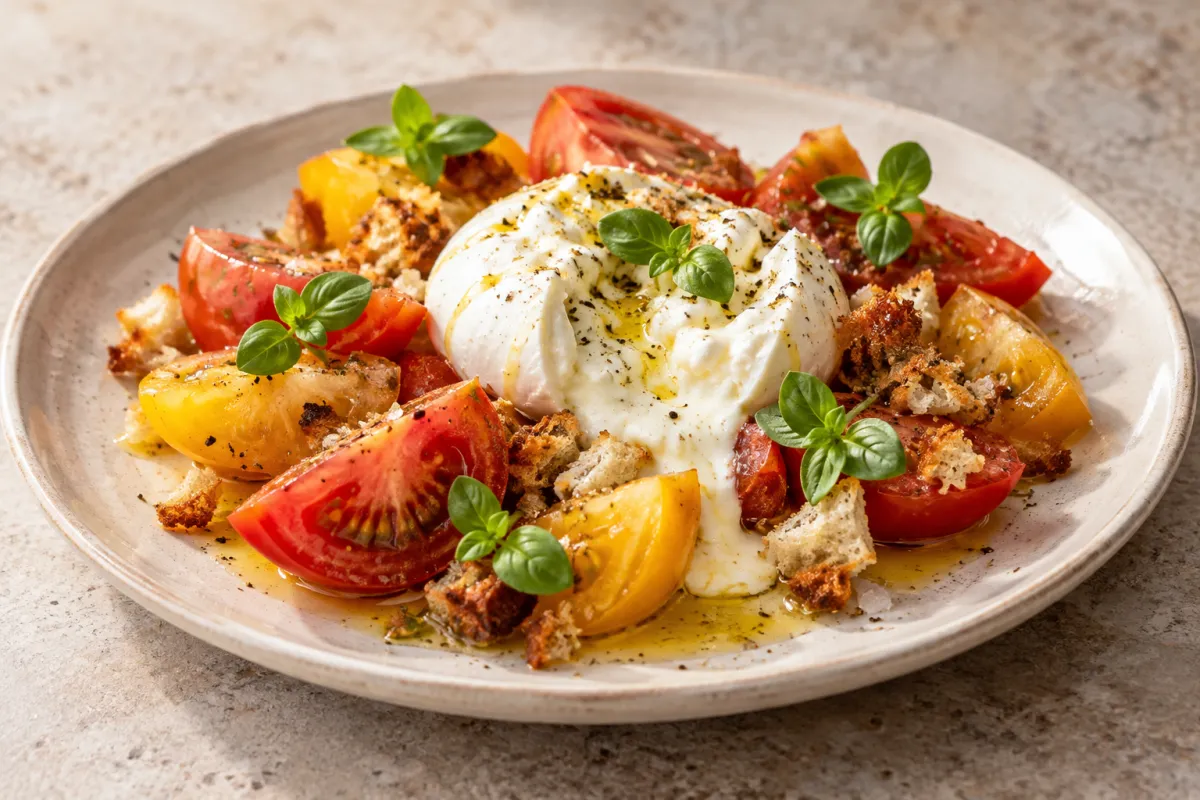
Seasonal tomatoes, burrata and green basil. Suggested plating with Green basil.
Generated illustration of a suggested plating.
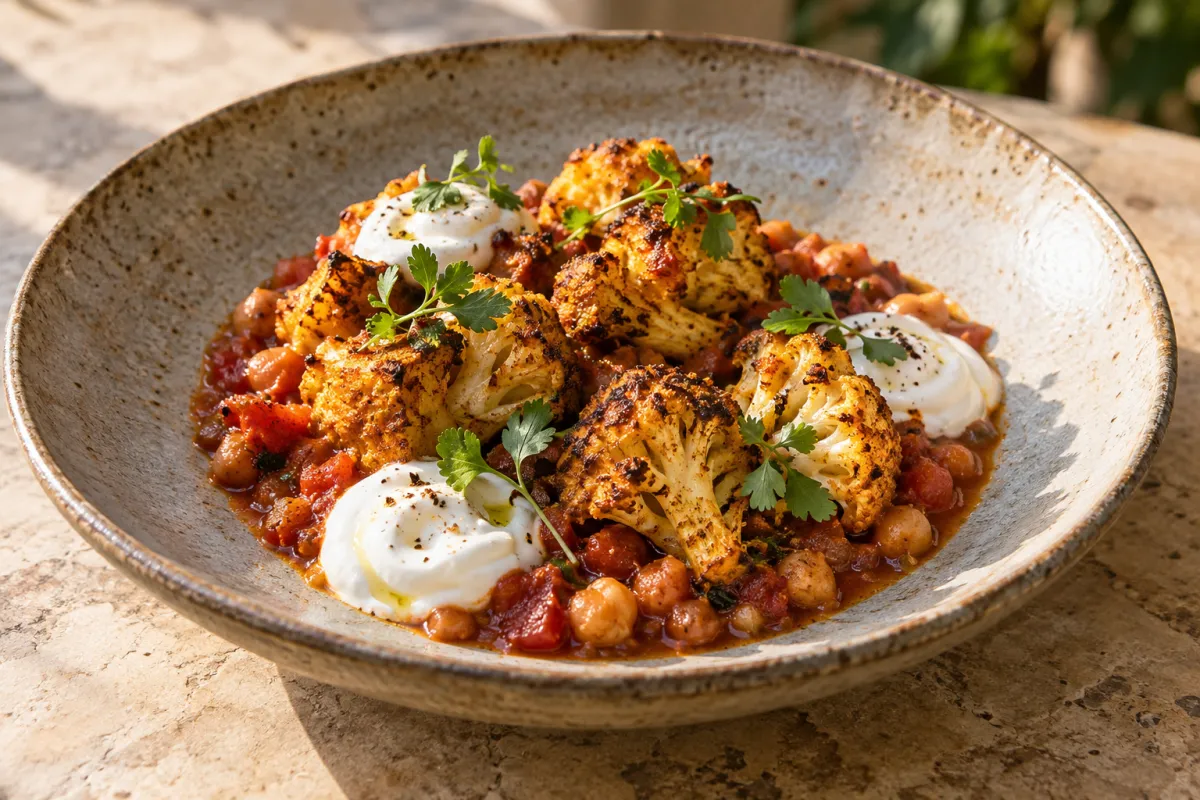
Spiced cauliflower, tomato and coriander. Suggested plating with Coriander.
Generated illustration of a suggested plating.
Recipe idea01

Spiced cauliflower, tomato and coriander

A vegetable starter with roasted edges, reduced tomato and a fresh coriander finish.

What the greens add

Coriander's citrus and herbal character offers a counterpoint to roasting, warm spices and yoghurt. The shoots give small aromatic bites between pieces of cauliflower.

At the pass

Distribute shoots over several florets, keeping them above the hot sauce.

Ingredients and preparation

Indicative build for 1 portion; adjust after tasting.

Indicative ingredients

  • Illustrative 1-portion build: 160 g cauliflower
  • 80 g crushed tomato; 40 g cooked chickpeas
  • 25 g plain yoghurt; 8 ml olive oil
  • Cumin, paprika, garlic and salt to taste; 5 ml lemon juice
  • 3 g micro coriander as a starting point for tasting adjustments

Suggested preparation

  1. Roast the cauliflower with some oil and the spices until tender and browned.
  2. Reduce the tomato with garlic, add the chickpeas and balance its acidity; mix the yoghurt with lemon separately.
  3. Plate the tomato, cauliflower and yoghurt; add coriander at the pass, after all oven cooking.

Another possibility

Use roasted aubergine instead of cauliflower, retaining the coriander finish. Adjust the shoots to the actual crop's intensity.

References behind the idea

An original MicroVerdes composition inspired by these references. This does not imply their authors used our crop.

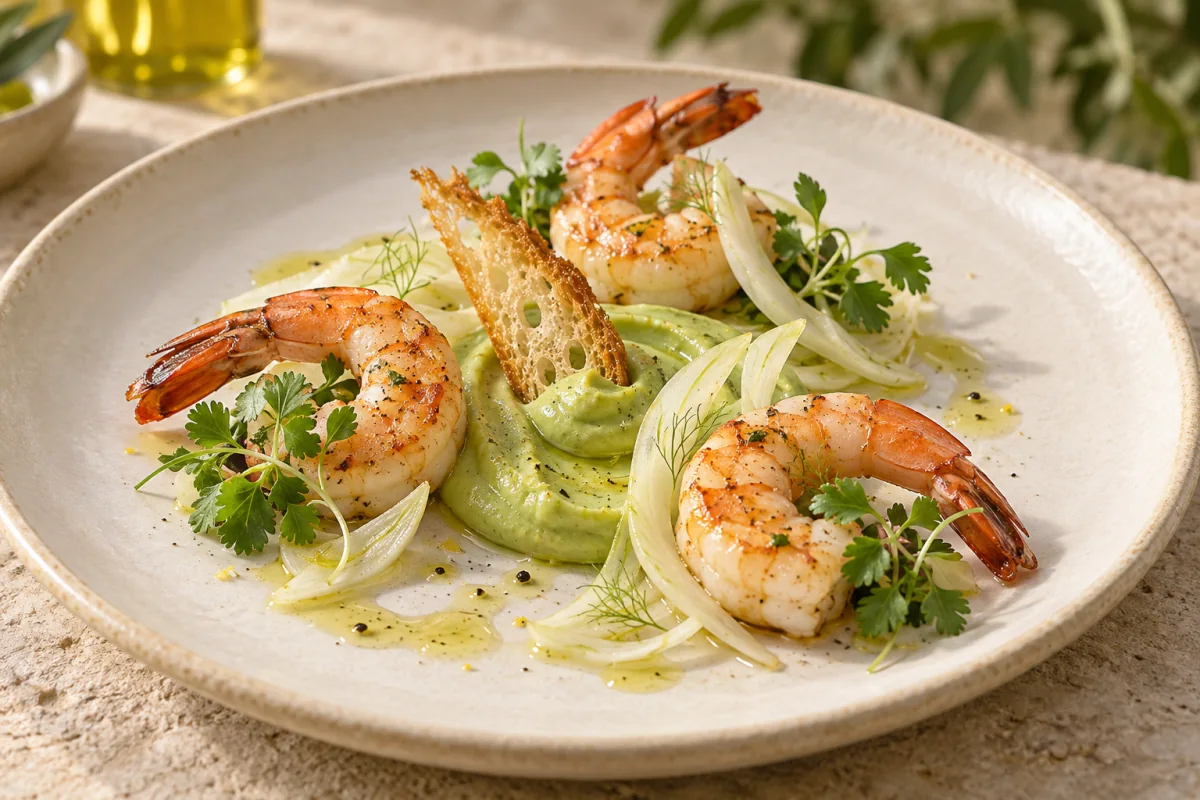
Illustration of king prawn, avocado and fennel with coriander.
Generated illustration of a suggested plating.
Recipe idea02

King prawn, avocado and fennel with coriander

A shellfish starter with avocado cream, tender fennel and micro coriander at the pass.

What the greens add

Coriander's citrus aroma extends the lime alongside rich avocado. Its small leaves add green contrast and a herbal note to sweet shellfish.

At the pass

Place shoots beside each prawn so they belong to the bite; keep the toast clear of the cream.

Ingredients and preparation

Indicative build for 1 portion; adjust after tasting.

Indicative ingredients

  • Illustrative 1-portion build: 3 large king prawns, about 90 g cleaned
  • 60 g avocado; 35 g fennel
  • 15 g thin sourdough toast
  • 5 ml lime juice; 8 ml olive oil; salt
  • 3 g micro coriander, adjust by tasting

Suggested preparation

  1. Cook thin fennel slices until tender and cool; cook the prawns through and drain well.
  2. Blend avocado with lime, some oil and salt; toast the bread until crisp.
  3. Build an avocado base with fennel and prawns, place the toast and add coriander immediately before service.

Another possibility

Replace prawns with fully cooked roast chicken, retaining fennel, lime and coriander.

References behind the idea

An original MicroVerdes composition inspired by these references. This does not imply their authors used our crop.

Seasonal tomatoes, burrata and green basil. Suggested plating with Green basil.
Generated illustration of a suggested plating.
Recipe idea03

Seasonal tomatoes, burrata and green basil

A tomato and creamy-cheese starter in which young basil acts as an aromatic seasoning.

What the greens add

Basil's perfume connects tomato and dairy. The little leaves distribute aroma without covering the tomatoes and stand out against white burrata.

At the pass

Place some leaves on tomatoes and others on cheese; add crumbs last to preserve their crisp contrast.

Ingredients and preparation

Indicative build for 1 portion; adjust after tasting.

Indicative ingredients

  • Illustrative 1-portion build: 170 g mixed ripe tomatoes
  • 70 g burrata; 4 g chopped black olive
  • 8 g toasted bread crumbs
  • 8 ml olive oil; 3 ml sherry vinegar; salt
  • 2 g micro green basil, adjust by tasting

Suggested preparation

  1. Toast the crumbs and cool them; cut tomatoes into shapes suited to each variety.
  2. Season tomatoes with salt, vinegar and some oil; arrange them around the burrata.
  3. Add olive and crumbs, finish with the remaining oil and distribute green basil at the pass.

Another possibility

Use drained fresh curd cheese instead of burrata, or add roasted peach alongside the tomatoes.

References behind the idea

An original MicroVerdes composition inspired by these references. This does not imply their authors used our crop.

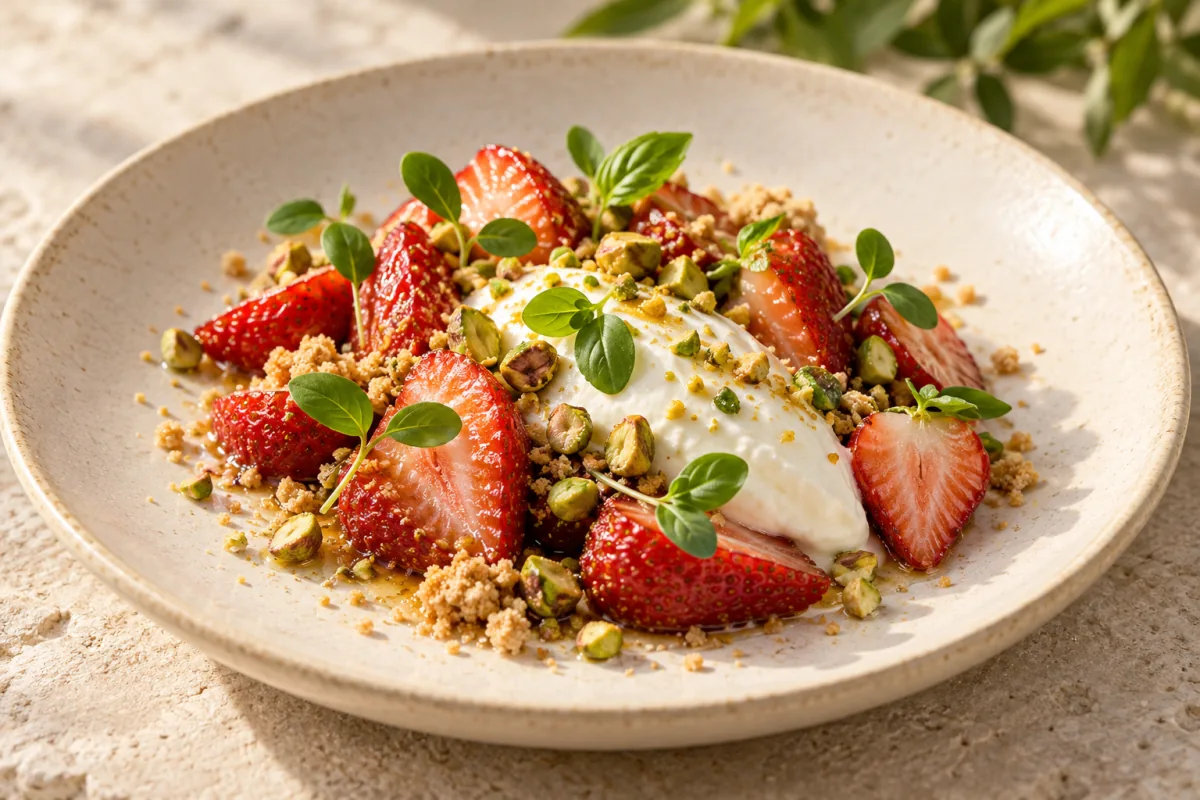
Illustration of strawberry, yoghurt and pistachio with green basil.
Generated illustration of a suggested plating.
Recipe idea04

Strawberry, yoghurt and pistachio with green basil

A fruit dessert with lactic acidity, pistachio texture and small aromatic leaves.

What the greens add

Basil adds a recognisable herbal aroma that suggests a less sweet finish. Its green contrasts with red fruit while leaving the strawberry texture visible.

At the pass

Distribute a few leaves across fruit bites; avoid a heap of shoots that dominates the dessert.

Ingredients and preparation

Indicative build for 1 portion; adjust after tasting.

Indicative ingredients

  • Illustrative 1-portion build: 90 g strawberries
  • 50 g thick yoghurt; 15 g plain crumble
  • 8 g toasted pistachios; 4 g sugar
  • 2 ml lemon juice
  • 1 g micro green basil, adjust by tasting

Suggested preparation

  1. Cut strawberries and mix with sugar and lemon; let them release a little juice.
  2. Plate yoghurt, strawberries and their juice, leaving some clear space.
  3. Add crumble and pistachio; place basil on the fruit immediately before service.

Another possibility

Swap strawberries for ripe peach and use toasted almonds instead of pistachios.

References behind the idea

An original MicroVerdes composition inspired by these references. This does not imply their authors used our crop.

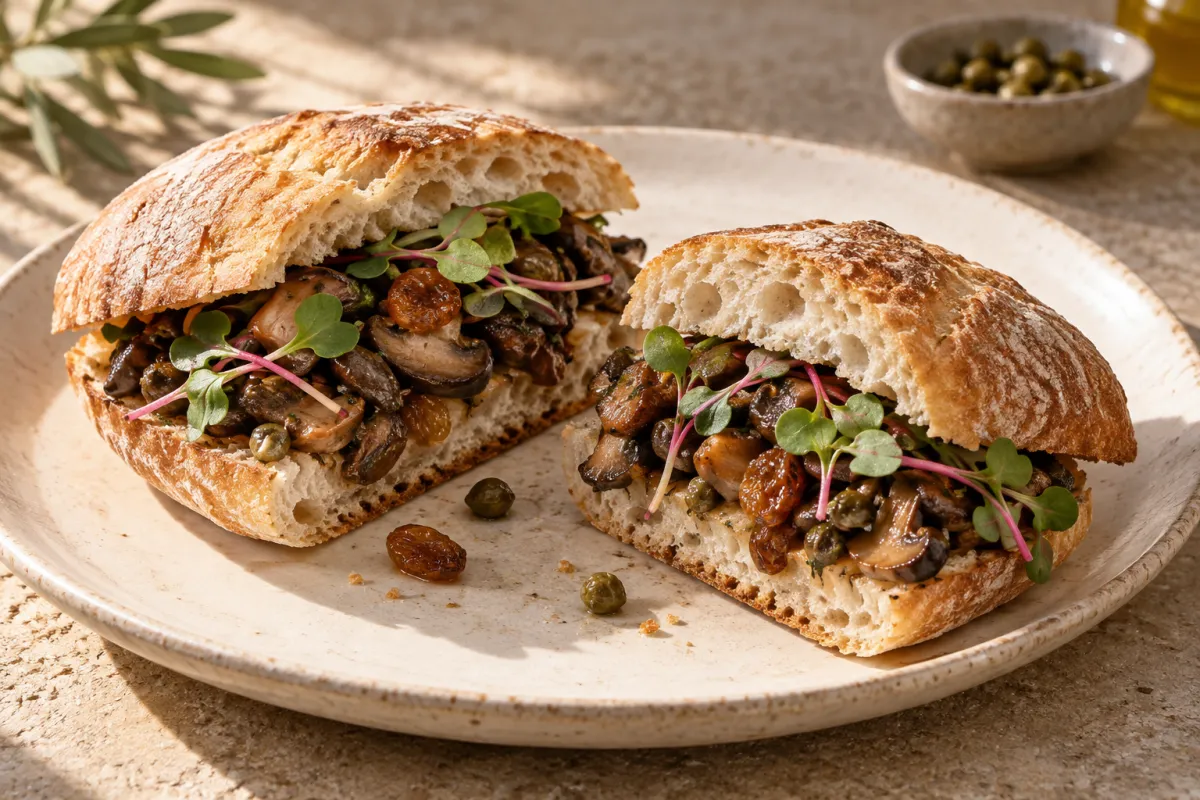
Mushroom, caper and pink radish ciabatta. Suggested plating with Organic China Rose radish.
Generated illustration of a suggested plating.
Recipe idea05

Mushroom, caper and pink radish ciabatta

A professional sandwich build with browned mushrooms and a crisp, peppery finish.

What the greens add

Radish heat refreshes an umami-rich, slightly sweet filling. The pink stems add texture and colour visible in the sandwich cross-section.

At the pass

Drain the filling before assembly; leave a few pink stems visible at the edge without an oversized garnish.

Ingredients and preparation

Indicative build for 1 portion; adjust after tasting.

Indicative ingredients

  • Illustrative 1-portion build: 1 small ciabatta, about 70 g
  • 110 g mushrooms; 25 g onion
  • 5 g capers; 5 g chopped raisins
  • 8 ml olive oil; 4 ml apple vinegar; salt
  • 4 g organic China Rose radish greens, adjust by tasting

Suggested preparation

  1. Sweat onion and brown mushrooms separately, avoiding excess moisture.
  2. Combine with capers and raisins, deglaze with vinegar and season; lightly toast the bread.
  3. Fill the ciabatta and add pink radish last between filling and lid, without cooking the shoots.

Another possibility

Serve the mushrooms on an open toast with fresh curd cheese and the same radish finish.

References behind the idea

An original MicroVerdes composition inspired by these references. This does not imply their authors used our crop.

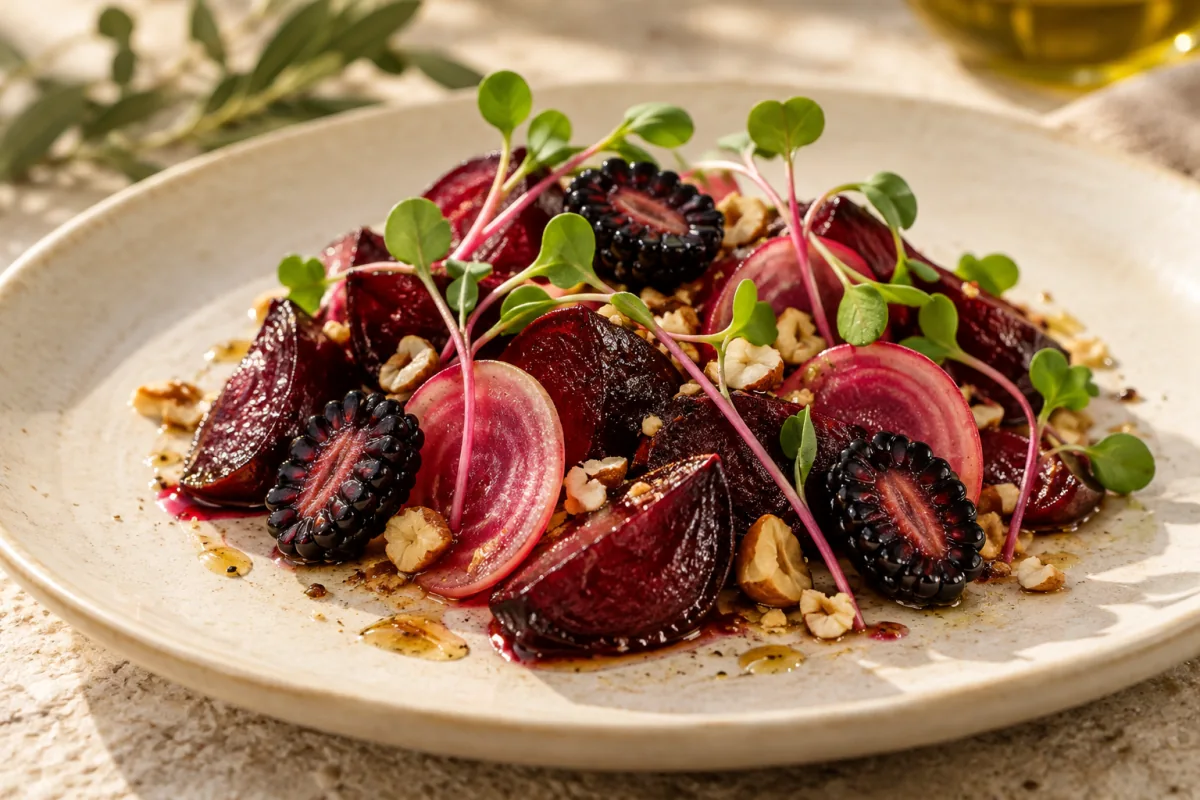
Illustration of roasted beetroot, blackberry and pink radish.
Generated illustration of a suggested plating.
Recipe idea06

Roasted beetroot, blackberry and pink radish

A vegetable starter balancing earthy sweetness, tart fruit and fresh peppery heat.

What the greens add

Radish heat offers a contrast to beetroot sweetness. Pink stems and green leaves distinguish the finish against a dark base.

At the pass

Keep shoots out of the beetroot juices during mise en place; add them last to preserve the visual contrast.

Ingredients and preparation

Indicative build for 1 portion; adjust after tasting.

Indicative ingredients

  • Illustrative 1-portion build: 120 g roasted beetroot
  • 25 g blackberries; 8 g toasted hazelnuts
  • 15 g prepared pickled beetroot slices
  • 8 ml olive oil; 3 ml sherry vinegar; salt
  • 3 g organic China Rose radish greens, adjust by tasting

Suggested preparation

  1. Cut roasted beetroot into bite-sized pieces and dress with oil and vinegar.
  2. Arrange with halved blackberries, drained pickled slices and chopped hazelnuts.
  3. Add radish at the pass over several beetroot pieces, keeping its stems crisp.

Another possibility

Use seasonal orange instead of blackberry, retaining acidity and hazelnuts.

References behind the idea

An original MicroVerdes composition inspired by these references. This does not imply their authors used our crop.

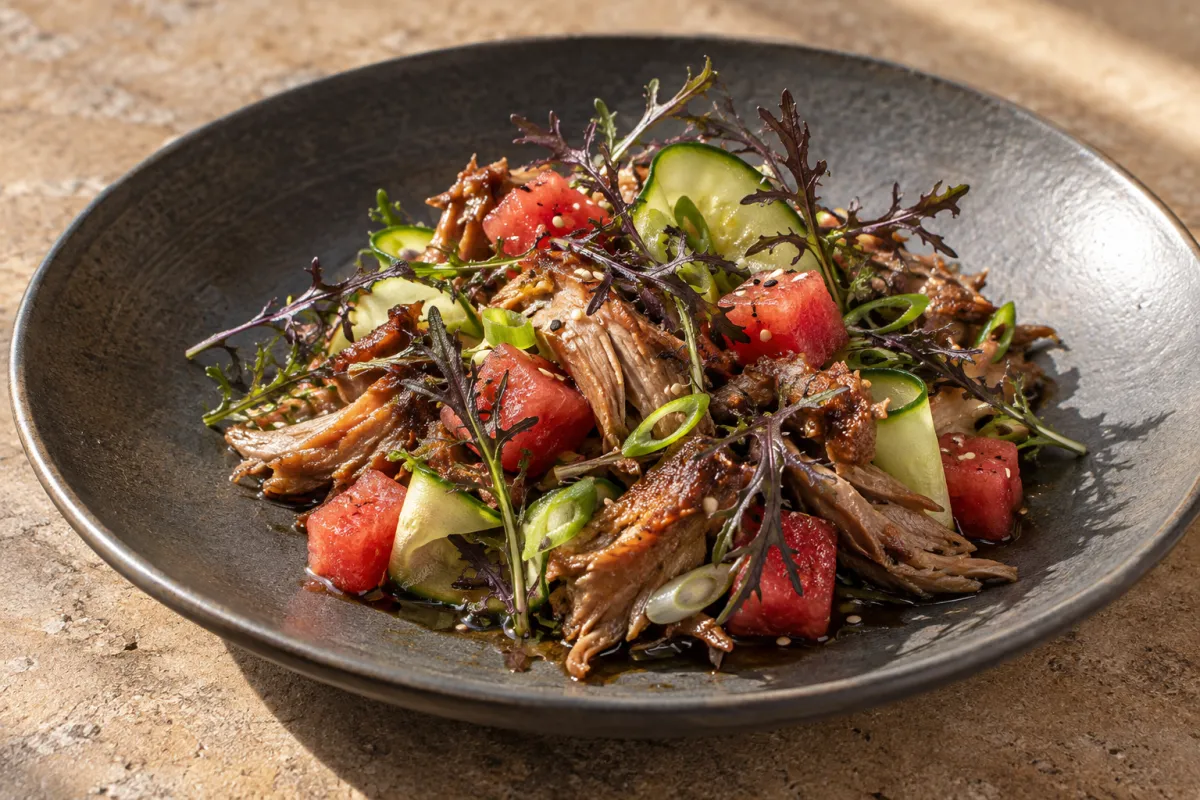
Roast duck, watermelon and purple mizuna. Suggested plating with Purple mizuna.
Generated illustration of a suggested plating.
Recipe idea07

Roast duck, watermelon and purple mizuna

A cooked-duck salad with juicy fruit and young leaves for warm service.

What the greens add

Mizuna offers freshness, texture and a gently peppery edge against duck fat and sweet fruit. Its purple contrasts with watermelon and browned meat.

At the pass

Keep leaves out of the dressing until the pass and distribute them within the dish for several complete bites.

Ingredients and preparation

Indicative build for 1 portion; adjust after tasting.

Indicative ingredients

  • Illustrative 1-portion build: 80 g fully cooked shredded roast duck
  • 75 g watermelon; 15 g cucumber
  • 5 g spring onion; 4 g toasted sesame
  • Dressing: 5 ml soy sauce, 5 ml lime juice, 5 ml oil and ginger to taste
  • 6 g purple mizuna baby leaf, adjust by tasting

Suggested preparation

  1. Prepare duck using the kitchen's validated cooking procedure and shred it; cut and drain watermelon and cucumber.
  2. Mix the dressing and apply sparingly to duck, fruit and spring onion just for service.
  3. Plate loosely, fold in mizuna at the end and finish with sesame.

Another possibility

Use fully cooked roast chicken and firm peach instead of duck and watermelon.

References behind the idea

An original MicroVerdes composition inspired by these references. This does not imply their authors used our crop.

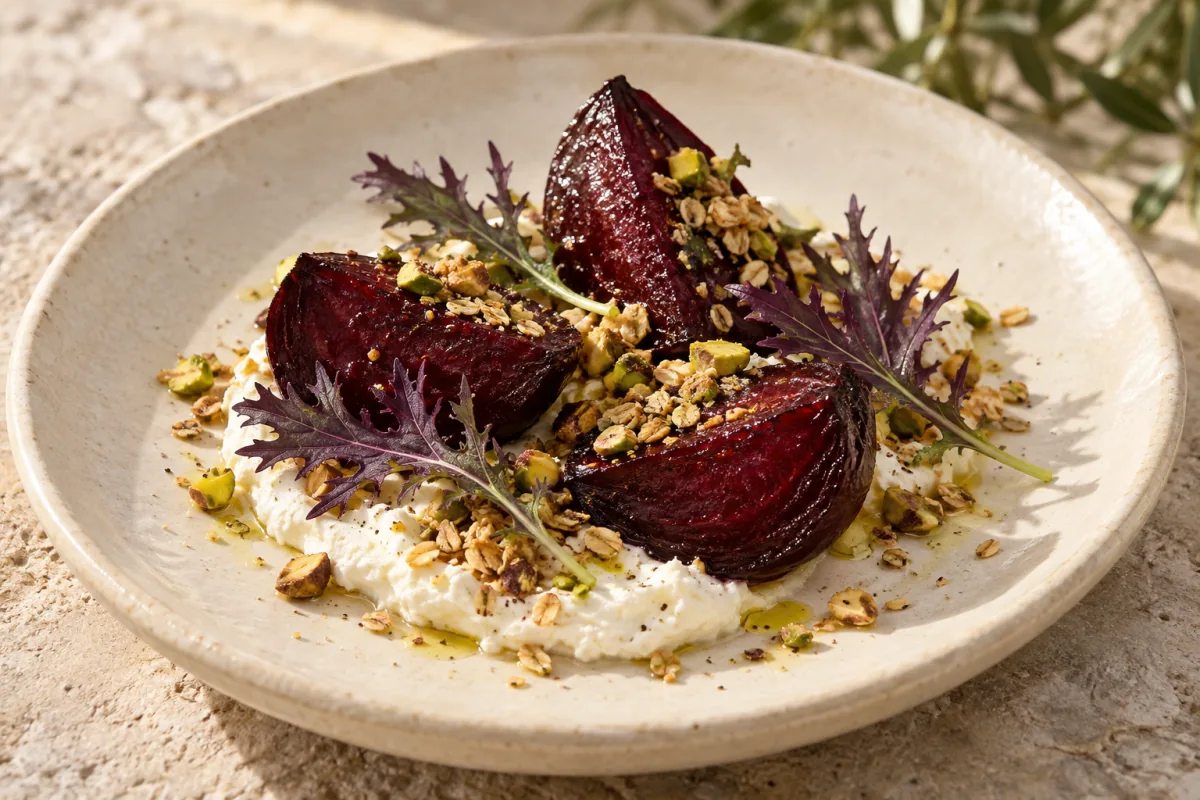
Illustration of beetroot, goat's cheese and purple mizuna.
Generated illustration of a suggested plating.
Recipe idea08

Beetroot, goat's cheese and purple mizuna

A warm beetroot starter with cheese cream, oat crunch and young leaves.

What the greens add

The young leaf adds texture and a gentle brassica note against creamy cheese. Purple echoes the beetroot and stands out against white.

At the pass

Use individual cut leaves with their edges visible; avoid a tall bouquet that is awkward to eat.

Ingredients and preparation

Indicative build for 1 portion; adjust after tasting.

Indicative ingredients

  • Illustrative 1-portion build: 100 g roasted beetroot
  • 30 g fresh goat's cheese; 10 g yoghurt
  • 12 g crumbled savoury oat biscuit; 6 g pistachio
  • 6 ml olive oil; 3 ml balsamic vinegar; salt
  • 5 g purple mizuna baby leaf, adjust for leaf size and intensity

Suggested preparation

  1. Cut and dress beetroot with oil and vinegar; blend cheese and yoghurt into a cream.
  2. Arrange cream, beetroot and oat crunch without completely covering the pieces.
  3. Add pistachio and place purple mizuna at the pass over the warm beetroot and cream.

Another possibility

Swap beetroot for roasted pumpkin for an orange-purple contrast.

References behind the idea

An original MicroVerdes composition inspired by these references. This does not imply their authors used our crop.

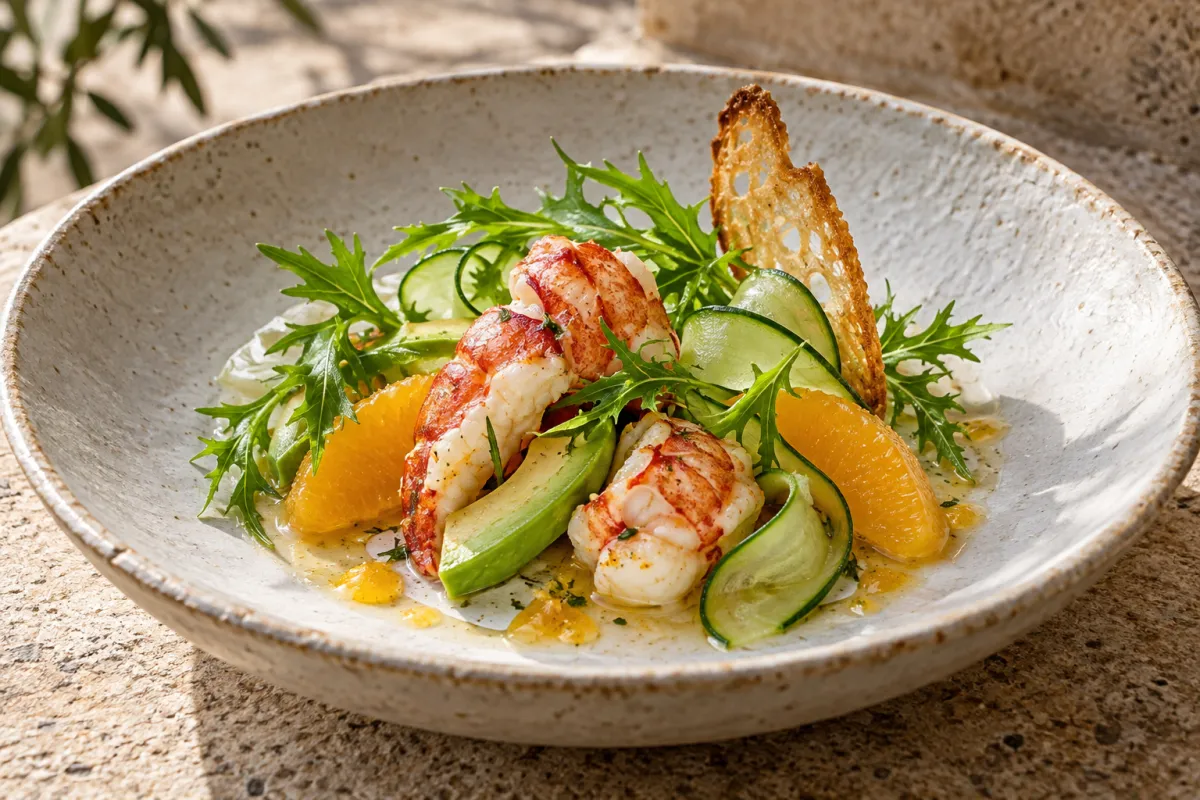
Lobster, citrus and green mizuna. Suggested plating with Organic green mizuna.
Generated illustration of a suggested plating.
Recipe idea09

Lobster, citrus and green mizuna

A shellfish salad with avocado, cucumber and lightly dressed young leaves.

What the greens add

The green leaf adds texture and a gentle mustard note to sweet shellfish and creamy avocado. Serrated edges give the salad definition.

At the pass

Do not soak mizuna in the dressing; the leaves should retain volume and be easy to eat.

Ingredients and preparation

Indicative build for 1 portion; adjust after tasting.

Indicative ingredients

  • Illustrative 1-portion build: 70 g cooked lobster meat
  • 35 g avocado; 25 g cucumber; 15 g orange segments
  • Dressing: 6 ml olive oil, 3 ml yuzu or lemon juice and salt
  • 1 thin toast, optional
  • 8 g organic green mizuna baby leaf, adjust for leaf size

Suggested preparation

  1. Cook lobster using the kitchen's procedure, cool and cut the meat; prepare fruit and vegetables.
  2. Emulsify the dressing and season shellfish; arrange avocado, cucumber and orange.
  3. Very lightly dress mizuna at the pass and place beside the lobster; add toast last.

Another possibility

Use cooked king prawns instead of lobster, retaining avocado and citrus. Balance the acidity before dressing the leaves.

References behind the idea

An original MicroVerdes composition inspired by these references. This does not imply their authors used our crop.

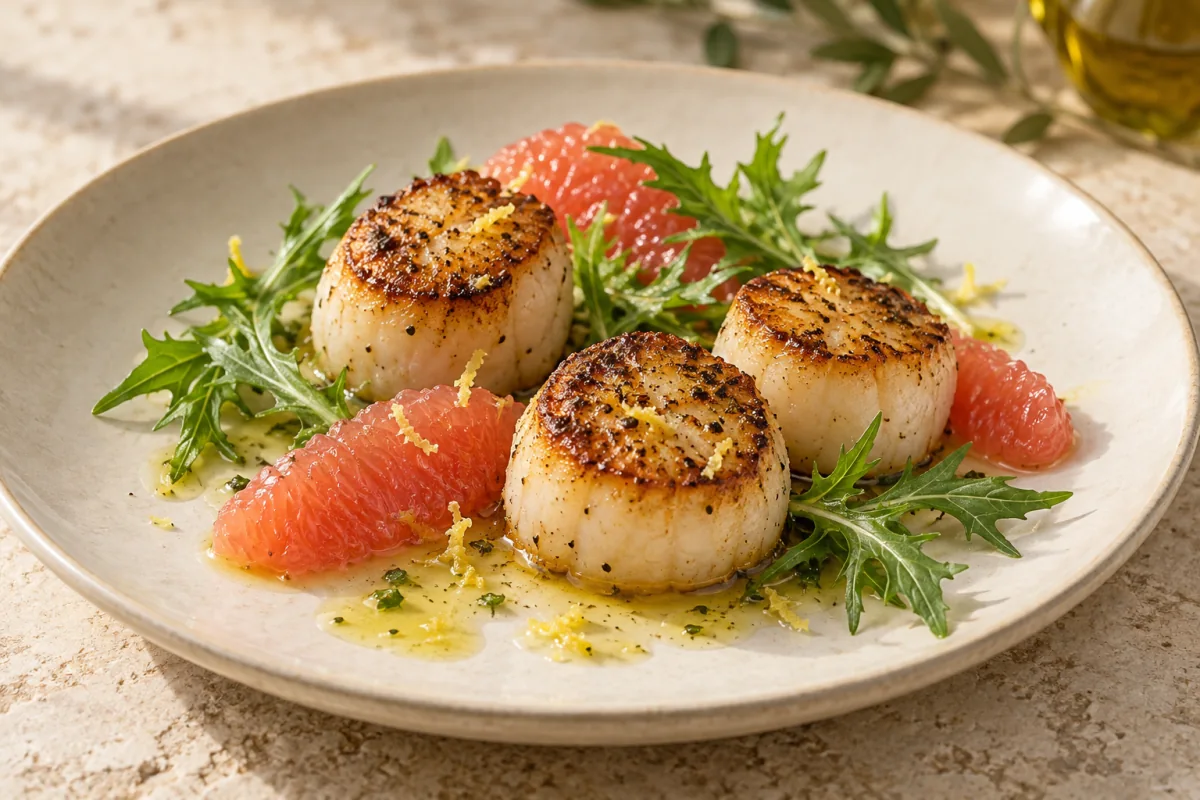
Illustration of seared scallops, grapefruit and green mizuna.
Generated illustration of a suggested plating.
Recipe idea10

Seared scallops, grapefruit and green mizuna

A warm browned-scallop starter with a small citrus salad of young mizuna.

What the greens add

Mizuna's mustard note and texture provide contrast to sweet shellfish and butter. Green leaves make the fresh part of each bite visible.

At the pass

Place leaves beside scallops, leaving browned surfaces visible and keeping them out of hot butter.

Ingredients and preparation

Indicative build for 1 portion; adjust after tasting.

Indicative ingredients

  • Illustrative 1-portion build: 3 cleaned scallops, about 90 g
  • 25 g grapefruit segments; 20 ml grapefruit juice
  • 10 g butter; 5 ml olive oil; salt
  • Fine lemon zest to taste
  • 6 g organic green mizuna baby leaf, adjust by tasting

Suggested preparation

  1. Reduce grapefruit juice to concentrate its flavour, cool and mix with some oil; balance bitterness and acidity.
  2. Dry scallops well, brown in a pan and complete cooking using the kitchen's validated procedure.
  3. Plate scallops and segments; barely dress mizuna at the pass and add off the heat, with a little zest.

Another possibility

Use orange and lemon if the available grapefruit is too bitter. Balance the dressing before applying it to leaves.

References behind the idea

An original MicroVerdes composition inspired by these references. This does not imply their authors used our crop.

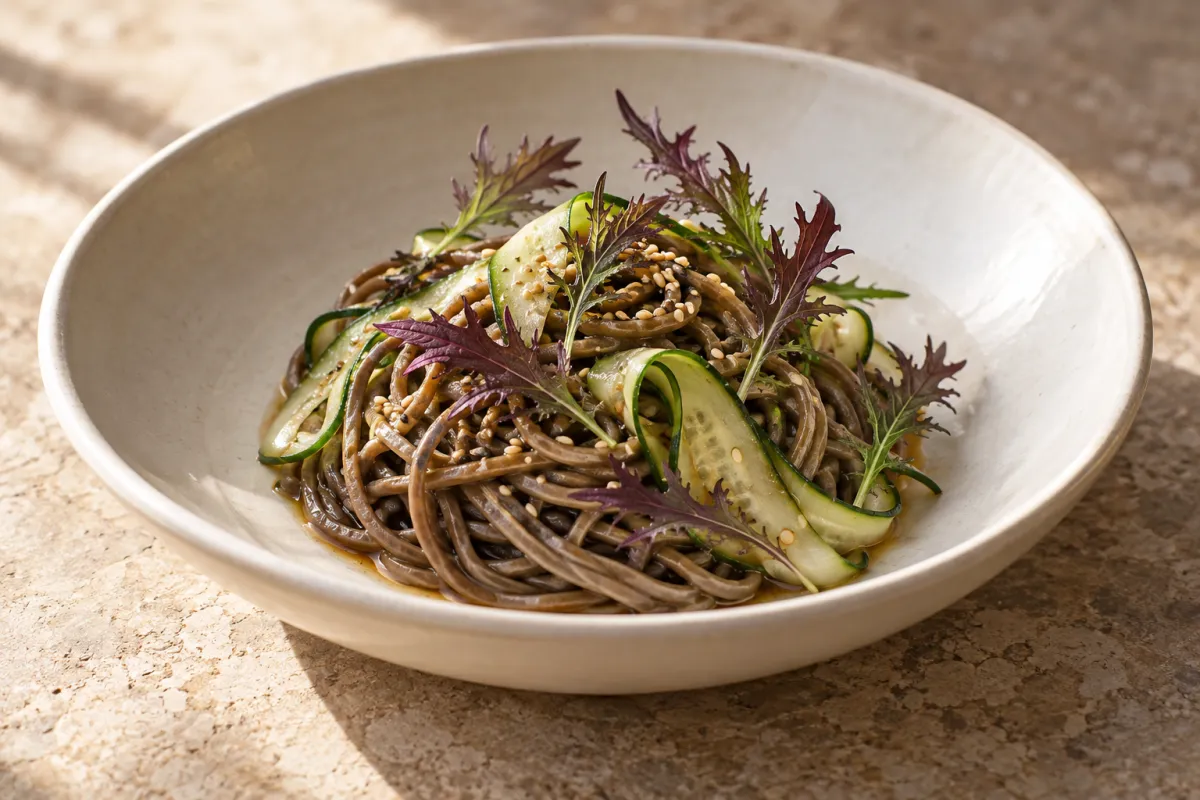
Chilled soba, cucumber and purple mizuna. Suggested plating with Organic purple mizuna.
Generated illustration of a suggested plating.
Recipe idea11

Chilled soba, cucumber and purple mizuna

A sesame-and-ginger noodle starter with mizuna distributed throughout each bite.

What the greens add

Its peppery note lifts the sesame and its tender stem contrasts with the noodles. Purple leaves distinguish the pale vegetables.

At the pass

Build a low noodle nest; place small mizuna groups at several points so they feature in different mouthfuls.

Ingredients and preparation

Indicative build for 1 portion; adjust after tasting.

Indicative ingredients

  • 45 g dried soba
  • 35 g cucumber and 15 g carrot, julienned
  • 3 g organic purple mizuna
  • 5 ml soy sauce, 5 ml rice vinegar and 2 ml sesame oil
  • 1 g grated ginger and 2 g toasted sesame seeds

Suggested preparation

  1. Cook, refresh and thoroughly drain the soba so water does not dilute the dressing.
  2. Whisk together soy, vinegar, sesame oil and ginger; dress the noodles and arrange the vegetables.
  3. At the pass, distribute the mizuna through the noodles and finish with toasted sesame.

Another possibility

Add 60 g cooked, cooled chicken to turn the starter into a lunch salad.

References behind the idea

An original MicroVerdes composition inspired by these references. This does not imply their authors used our crop.

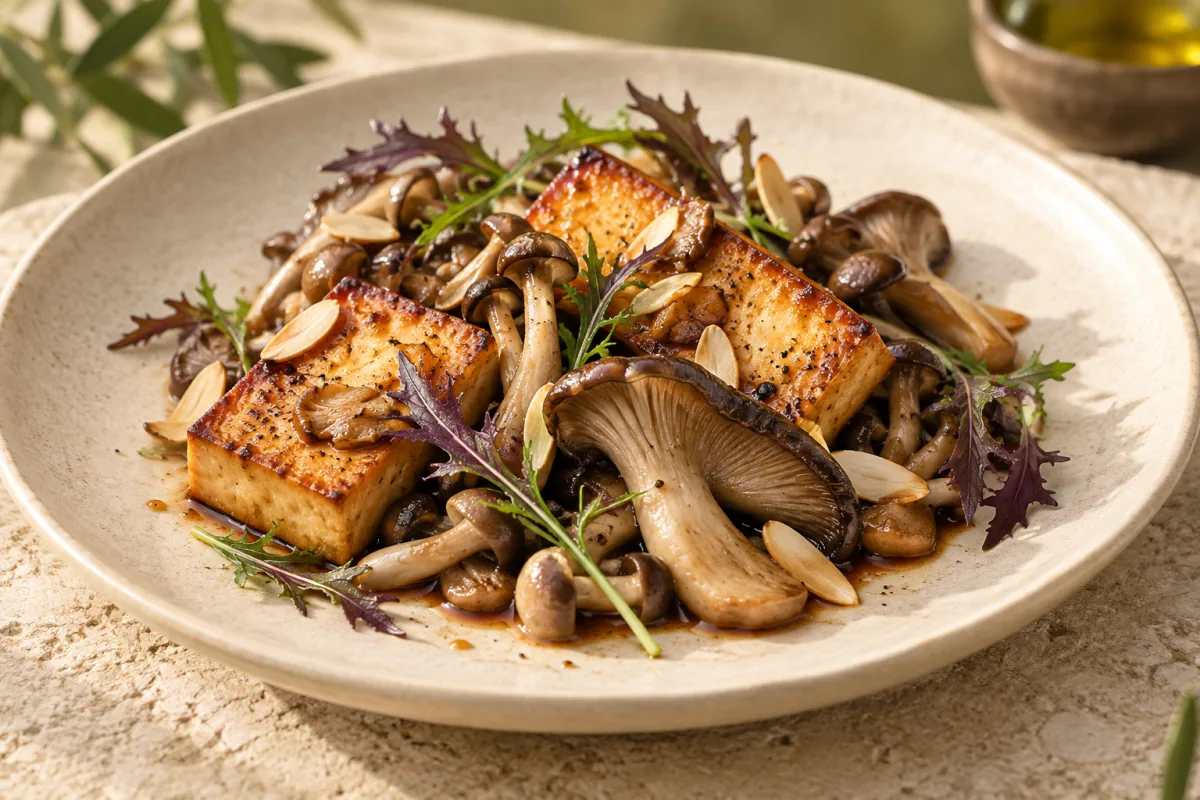
Illustration of golden tofu, mushrooms and purple mizuna.
Generated illustration of a suggested plating.
Recipe idea12

Golden tofu, mushrooms and purple mizuna

A vegetable dish of browned textures and fresh mizuna, suited to a starter or warm small plate.

What the greens add

Mizuna adds a peppery note against the glaze's umami and a fine crunch against the tofu. Purple colour gives definition to the browned components.

At the pass

Place leaves between tofu and mushrooms; keep them clear of the hot glaze.

Ingredients and preparation

Indicative build for 1 portion; adjust after tasting.

Indicative ingredients

  • 100 g firm tofu
  • 80 g oyster or shimeji mushrooms
  • 4 g organic purple mizuna
  • 5 ml soy sauce, 5 ml mirin and 5 ml lime juice
  • 2 g ginger, 5 ml oil and 3 g toasted almonds

Suggested preparation

  1. Dry and brown evenly cut tofu; sauté the mushrooms until their moisture evaporates and they colour.
  2. Add ginger, soy and mirin; reduce to a light glaze and adjust with lime off the heat.
  3. Plate the tofu and mushrooms; add raw mizuna and almonds immediately before service.

Another possibility

Serve over rice as a main, keeping the mizuna as the final finish.

References behind the idea

An original MicroVerdes composition inspired by these references. This does not imply their authors used our crop.

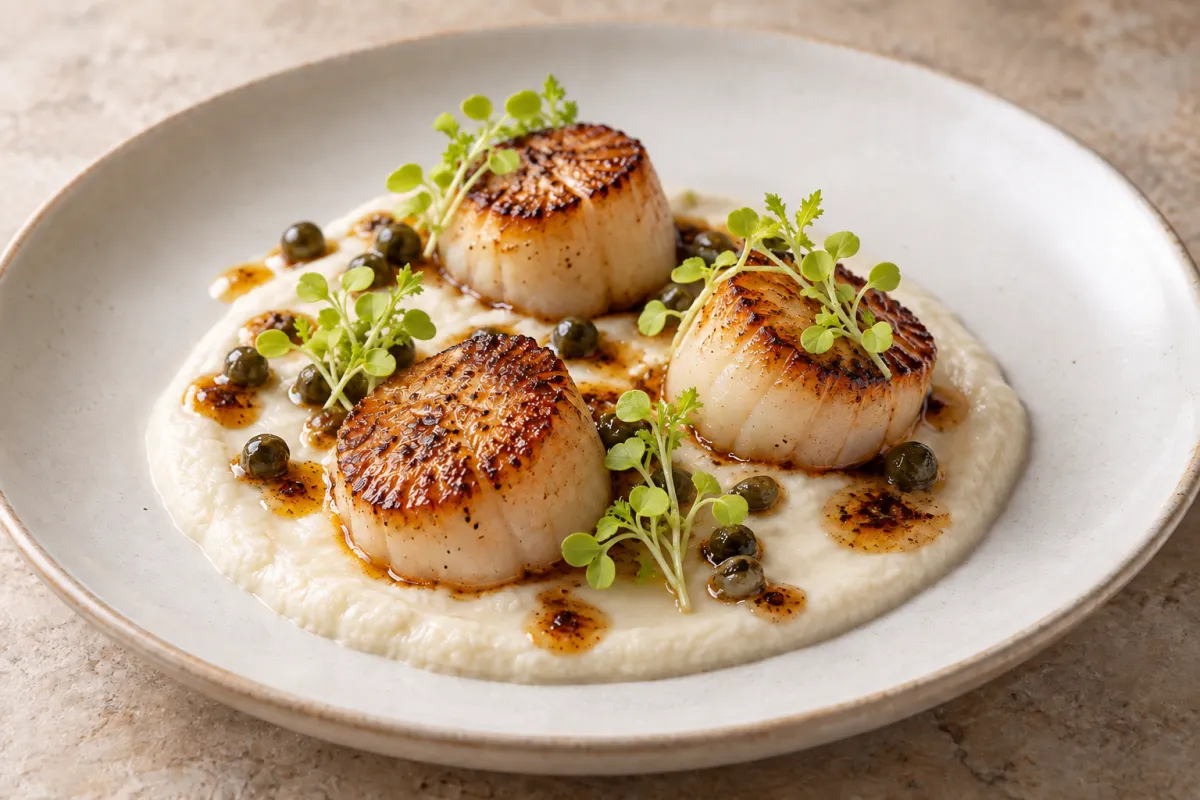
Scallops, cauliflower and Golden Streaks mustard. Suggested plating with Golden Streaks mustard.
Generated illustration of a suggested plating.
Recipe idea13

Scallops, cauliflower and Golden Streaks mustard

Seared scallops, smooth purée and brown butter with a small mustard-leaf accent.

What the greens add

The mustard note balances scallop sweetness and richness. Young leaves add a light texture and golden-green contrast against the purée.

At the pass

Place small groups beside each scallop; keep the leaves out of pooled butter.

Contains mustard, a declared food allergen.

Ingredients and preparation

Indicative build for 1 portion; adjust after tasting.

Indicative ingredients

  • 2–3 scallops, about 80–120 g total
  • 60 g house cauliflower purée
  • 10 g butter
  • 3 g capers and 3 ml lemon juice
  • 2 g Golden Streaks mustard (contains mustard)
  • Oil and salt for cooking

Suggested preparation

  1. Prepare smooth cauliflower purée; brown the butter and balance it with lemon and capers.
  2. Dry and sear the scallops on both sides to the kitchen's required cooking standard.
  3. Serve over purée with a little butter; add raw Golden Streaks at the pass.

Another possibility

Replace scallops with cooked prawns, adjusting mustard quantity to each bite.

References behind the idea

An original MicroVerdes composition inspired by these references. This does not imply their authors used our crop.

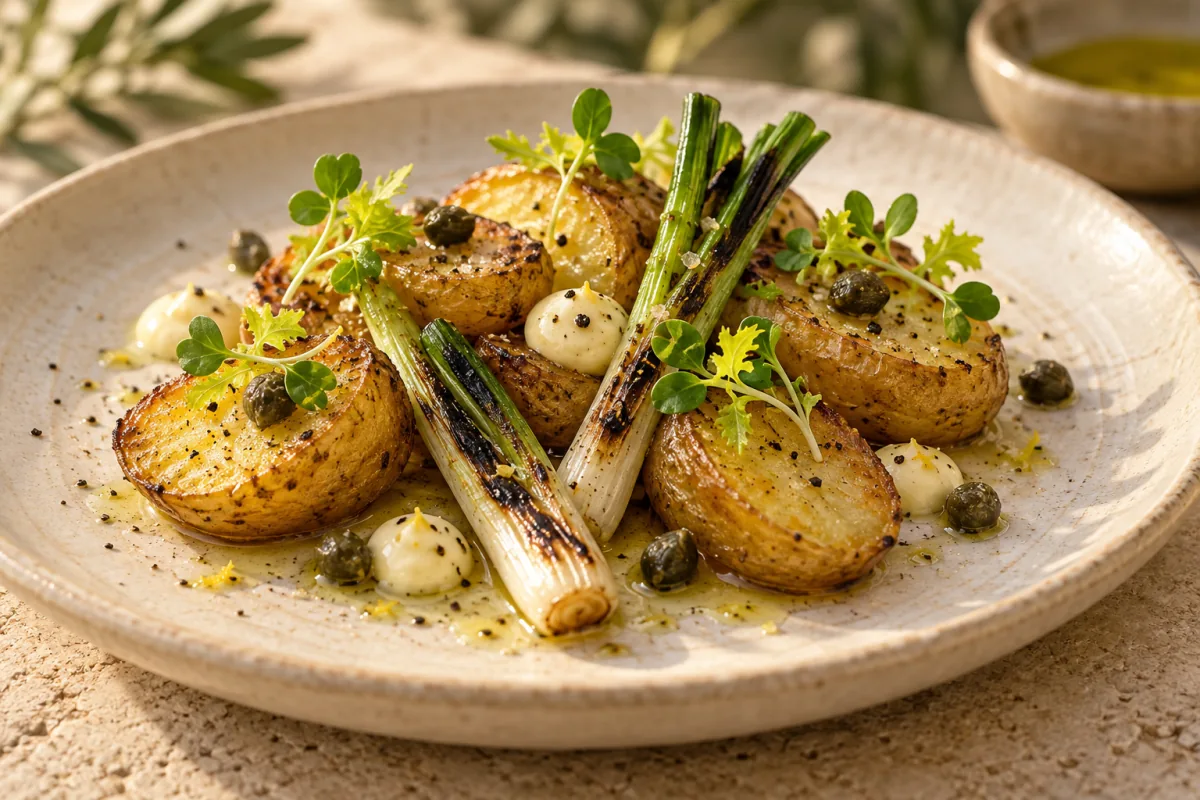
Illustration of new potatoes, charred spring onion and Golden Streaks.
Generated illustration of a suggested plating.
Recipe idea14

New potatoes, charred spring onion and Golden Streaks

A warm potato salad with lemon aioli and fresh mustard leaves as its final accent.

What the greens add

Mustard flavour suits potato and garlic without adding another sauce. Young leaves interrupt the creamy texture and golden-green colour makes the finish visible.

At the pass

Keep potato skins and char marks visible; rest the leaves on dry surfaces.

Contains mustard, a declared food allergen.

Ingredients and preparation

Indicative build for 1 portion; adjust after tasting.

Indicative ingredients

  • 150 g cooked new potatoes
  • 25 g spring onion
  • 20 g house lemon aioli
  • 3 g capers
  • 3 g Golden Streaks mustard (contains mustard)
  • 5 ml olive oil and a few drops of sherry vinegar

Suggested preparation

  1. Cook whole potatoes and cut them; char the spring onion with oil until its edges brown.
  2. Dress warm potatoes with oil, capers and a few drops of vinegar; arrange over small aioli dots.
  3. Add the spring onion and finish with raw Golden Streaks immediately before service.

Another possibility

Add roast chicken strips for a main-course salad with the same dressing.

References behind the idea

An original MicroVerdes composition inspired by these references. This does not imply their authors used our crop.

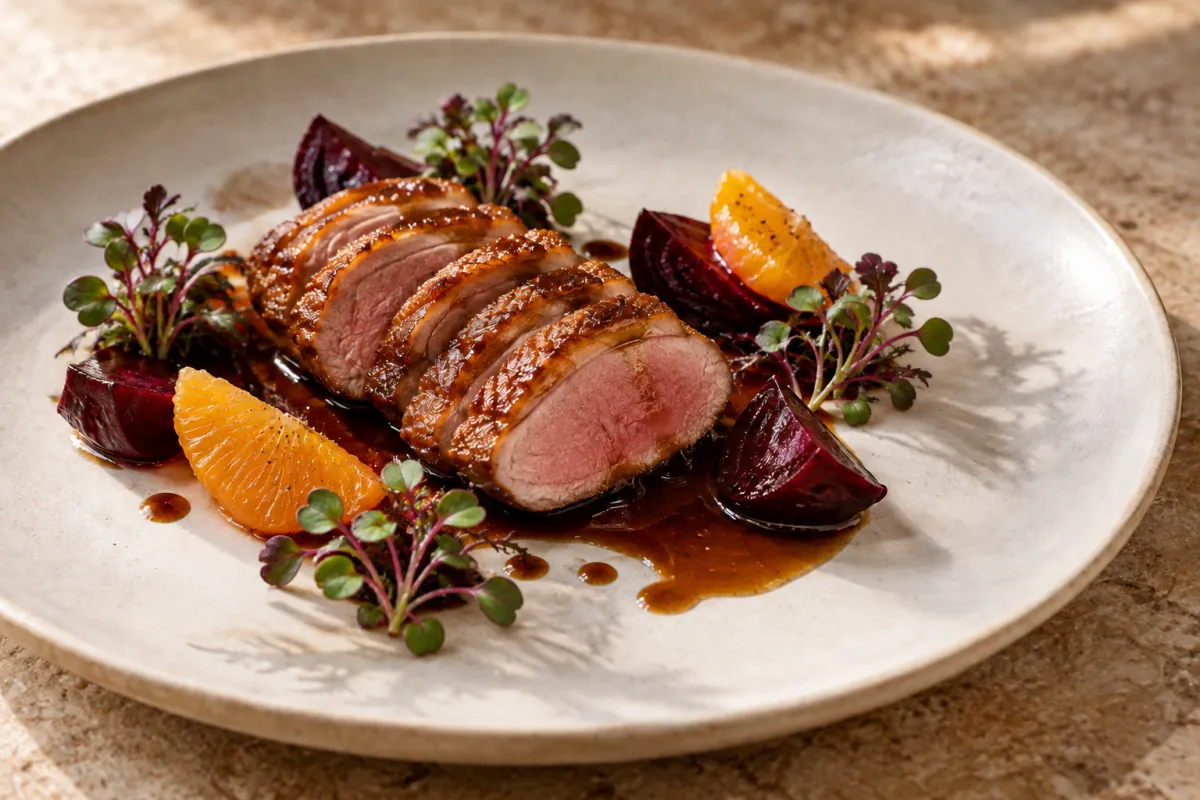
Duck, beetroot, orange and Ruby Streaks. Suggested plating with Ruby Streaks mustard.
Generated illustration of a suggested plating.
Recipe idea15

Duck, beetroot, orange and Ruby Streaks

Duck breast with fruit and roast root vegetables; mustard leaves accompany each mouthful of meat.

What the greens add

Mustard provides a fresh counterpoint to rich duck and sweet beetroot. Green and maroon foliage connects the plate's colours without hiding the skin.

At the pass

Place small leaves alongside the slices, keeping crisp skin exposed and leaves clear of the jus.

Contains mustard, a declared food allergen.

Ingredients and preparation

Indicative build for 1 portion; adjust after tasting.

Indicative ingredients

  • 150 g duck breast
  • 60 g roasted beetroot
  • 30 g orange segments
  • 3 g Ruby Streaks mustard (contains mustard)
  • 10 ml duck jus and 5 ml orange juice
  • Olive oil, sherry vinegar and salt

Suggested preparation

  1. Cook the breast with well-browned skin to the kitchen's required standard; rest before slicing.
  2. Warm the beetroot and balance the jus with orange juice and a few drops of vinegar.
  3. Arrange meat, roots and segments; sauce around them and add raw Ruby Streaks at the pass.

Another possibility

Use roast pork and tart apple in place of duck and orange.

References behind the idea

An original MicroVerdes composition inspired by these references. This does not imply their authors used our crop.

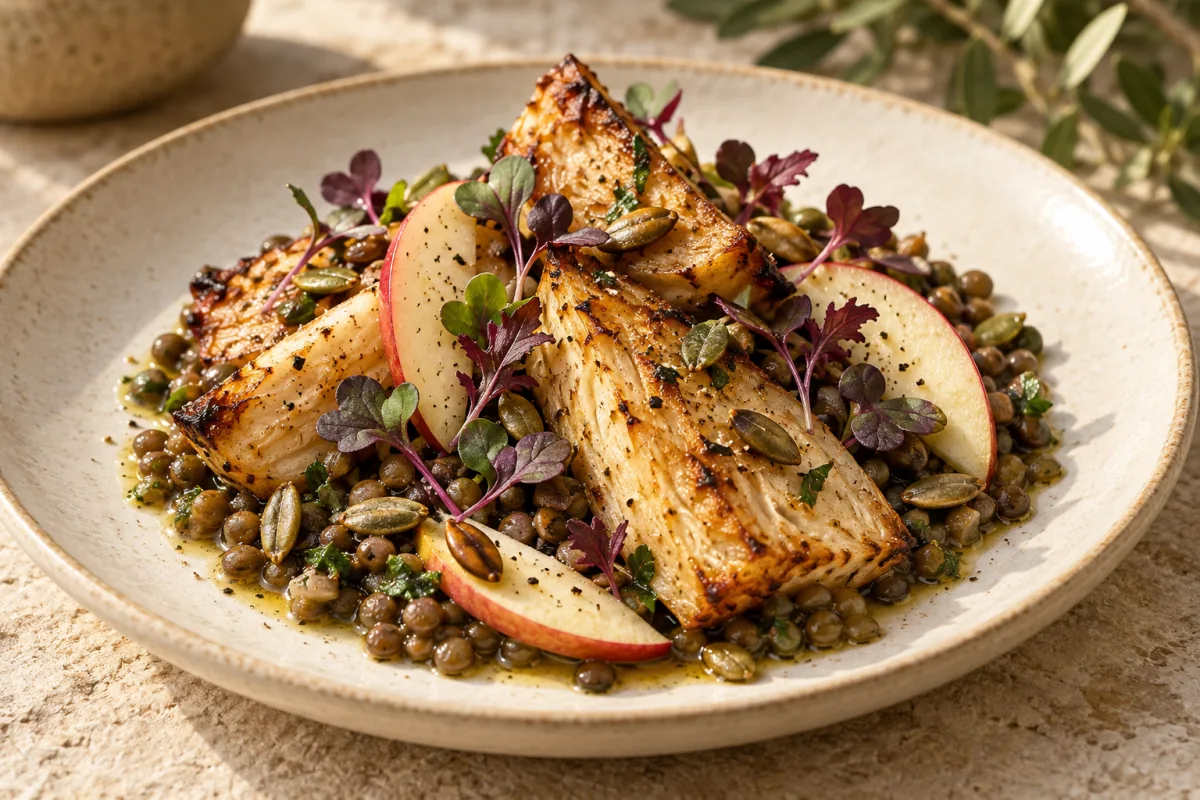
Illustration of roast celeriac, lentils, apple and Ruby Streaks.
Generated illustration of a suggested plating.
Recipe idea16

Roast celeriac, lentils, apple and Ruby Streaks

A vegetable starter of lentils and browned roots with a measured amount of fresh mustard.

What the greens add

Mustard brightens the earthy components and apple. Light leaves contrast with lentils and add maroon accents to the pale roots.

At the pass

Make a low lentil base; distribute leaves beside the celeriac so they become part of the bite.

Contains mustard, a declared food allergen.

Ingredients and preparation

Indicative build for 1 portion; adjust after tasting.

Indicative ingredients

  • 100 g peeled celeriac
  • 80 g cooked, drained green lentils
  • 25 g tart apple
  • 3 g Ruby Streaks mustard (contains mustard)
  • 8 ml olive oil and 4 ml cider vinegar
  • 3 g toasted pumpkin seeds, thyme and salt

Suggested preparation

  1. Roast evenly cut celeriac with oil and thyme until tender and golden.
  2. Dress the lentils with oil and vinegar; add freshly cut apple and adjust the salt.
  3. Arrange roots over lentils; finish with seeds and raw Ruby Streaks at the pass.

Another possibility

Replace celeriac with roast squash, increasing dressing acidity slightly.

References behind the idea

An original MicroVerdes composition inspired by these references. This does not imply their authors used our crop.

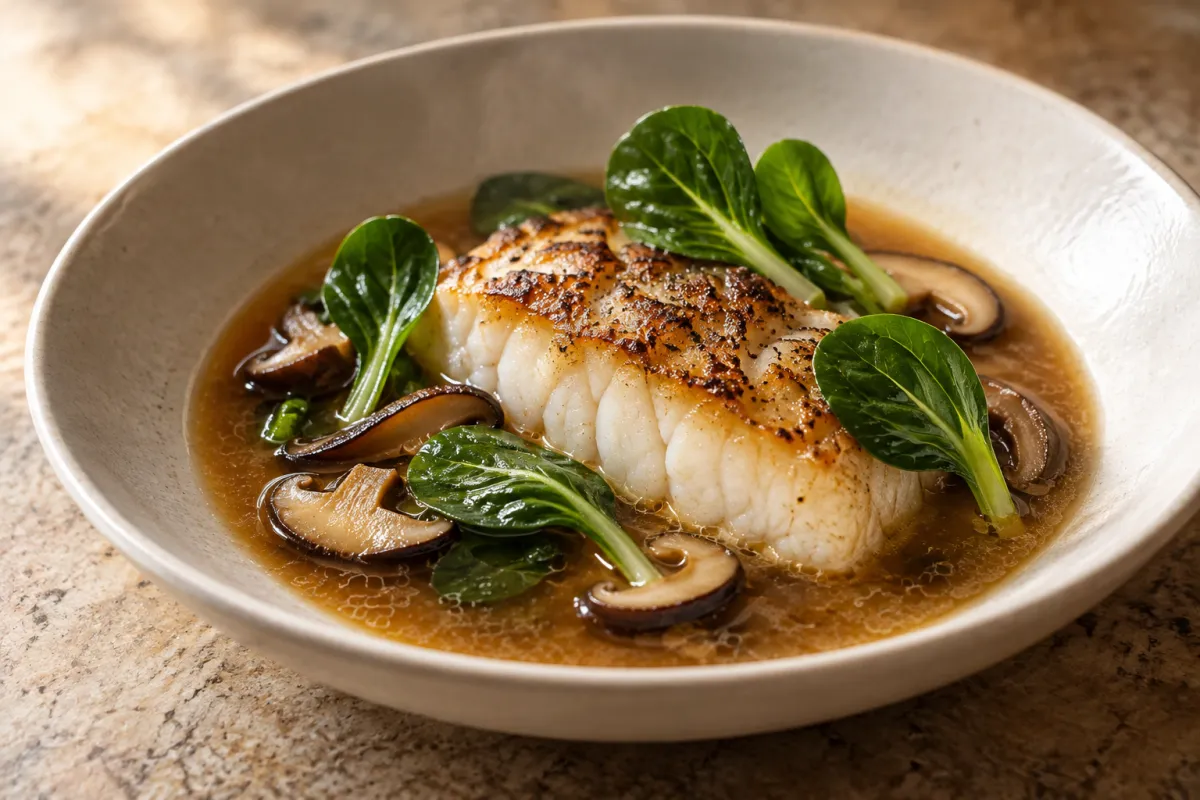
Cod, miso broth and tatsoi. Suggested plating with Tatsoi.
Generated illustration of a suggested plating.
Recipe idea17

Cod, miso broth and tatsoi

Fish and mushrooms in a shallow broth, finished with mild, fresh tatsoi.

What the greens add

Its mild vegetable flavour accompanies fish without competing with miso. Small green leaves and tender stems bring fresh contrast to the broth.

At the pass

Keep the fish's upper surface above the liquid so tatsoi retains its structure; do not pour broth over the leaves.

Ingredients and preparation

Indicative build for 1 portion; adjust after tasting.

Indicative ingredients

  • 120 g fresh cod
  • 50 g shiitake mushrooms
  • 150 ml dashi or vegetable stock
  • 8 g white miso
  • 4 g tatsoi
  • 1 g ginger, 5 ml oil and a few drops of lemon

Suggested preparation

  1. Sauté the shiitake and prepare ginger broth; dissolve the miso off the boil.
  2. Cook the cod separately to the kitchen's required standard; arrange it with mushrooms in a bowl.
  3. Pour broth around the fish, adjust with lemon and place tatsoi on the cod just before service.

Another possibility

Use cooked hake; adjust miso to the intensity of the chosen stock.

References behind the idea

An original MicroVerdes composition inspired by these references. This does not imply their authors used our crop.

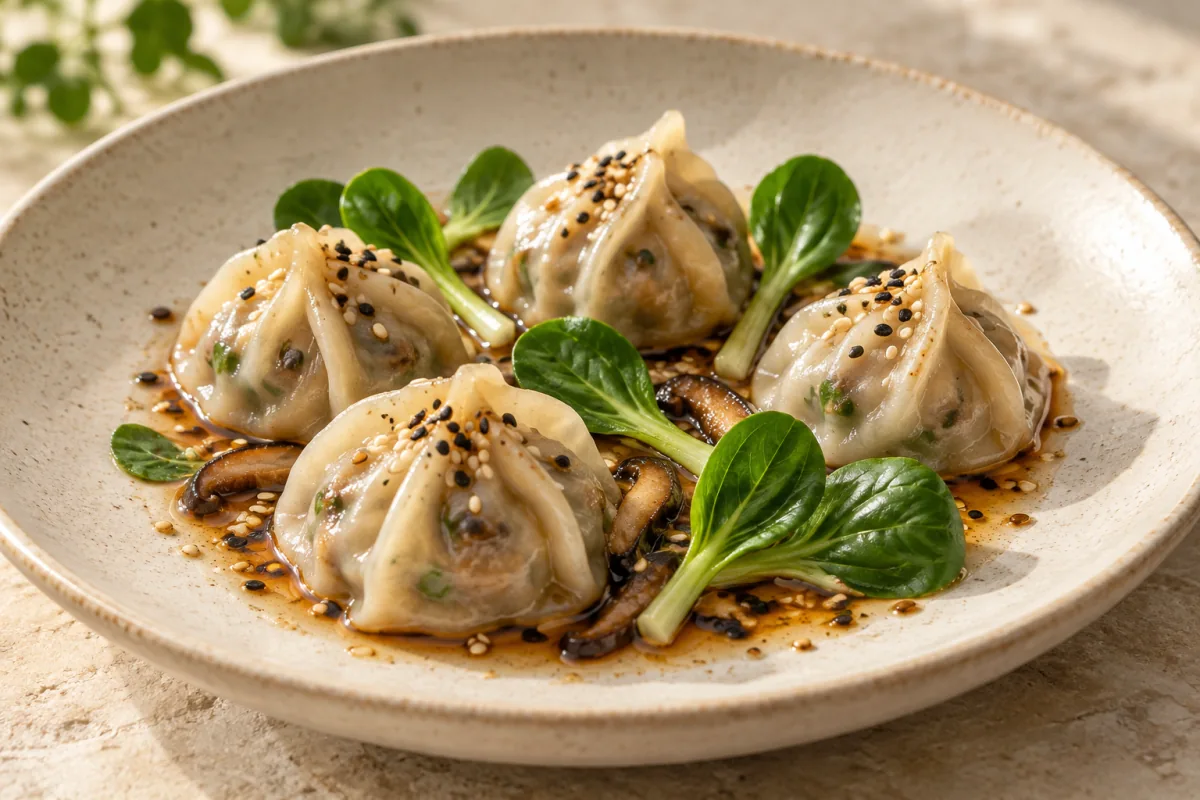
Illustration of shiitake dumplings, sesame and tatsoi.
Generated illustration of a suggested plating.
Recipe idea18

Shiitake dumplings, sesame and tatsoi

Vegetable dumplings with a light dressing and mild leaves to bring freshness between bites.

What the greens add

Tatsoi gives a mild vegetable bite between wrappers and mushrooms. Small smooth leaves add height without another strong flavour over soy and ginger.

At the pass

Distribute leaves between dumplings, clear of the dressing; serve the remaining dressing separately.

Ingredients and preparation

Indicative build for 1 portion; adjust after tasting.

Indicative ingredients

  • 5 dumpling wrappers
  • 70 g shiitake mushrooms and 15 g spring onion
  • 2 g ginger and 5 ml oil
  • 5 ml soy sauce, 5 ml rice vinegar and 2 ml sesame oil
  • 4 g tatsoi and 2 g toasted sesame seeds

Suggested preparation

  1. Chop and sauté mushrooms, spring onion and ginger; cool the filling before sealing the wrappers.
  2. Steam dumplings until wrapper and filling are cooked; mix soy, vinegar and sesame oil for the dressing.
  3. Arrange dumplings over a little dressing and finish with raw tatsoi and sesame at the pass.

Another possibility

Add roast squash to the filling for a sweeter version, adjusting the vinegar.

References behind the idea

An original MicroVerdes composition inspired by these references. This does not imply their authors used our crop.

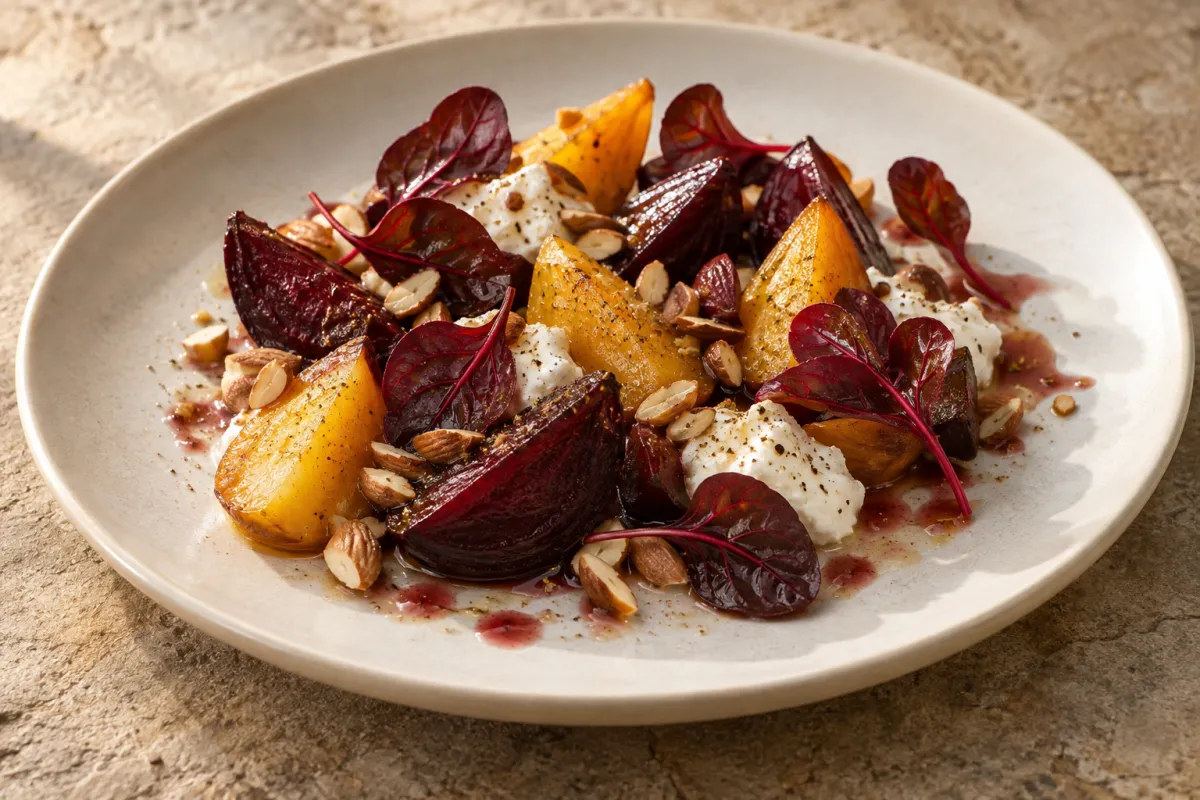
Beetroot, goat's cheese cream and Firebird leaves. Suggested plating with Firebird chard.
Generated illustration of a suggested plating.
Recipe idea19

Beetroot, goat's cheese cream and Firebird leaves

Roast roots and fresh cheese with tender red chard leaves, designed for low-volume plating.

What the greens add

Chard's mild earthy note extends the beetroot flavour. Tender leaves add lift; dark red contrasts particularly well with pale cheese and turnip.

At the pass

Mix small leaves with one or two more visible ones without building a tall salad that hides the components.

Ingredients and preparation

Indicative build for 1 portion; adjust after tasting.

Indicative ingredients

  • 90 g roasted beetroot
  • 30 g fresh goat's cheese cream
  • 15 g house pickled turnip
  • 4 g toasted almonds
  • 5 g Firebird baby chard leaves
  • 5 ml olive oil and a few drops of sherry vinegar

Suggested preparation

  1. Cut roasted beetroot into regular pieces and dress with oil and vinegar.
  2. Arrange goat's cheese cream, drained turnip and beetroot, keeping their textures distinct.
  3. At the pass, add almonds and place lightly dressed Firebird leaves between the components.

Another possibility

Use golden beetroot to make Firebird's red colour stand out further.

References behind the idea

An original MicroVerdes composition inspired by these references. This does not imply their authors used our crop.

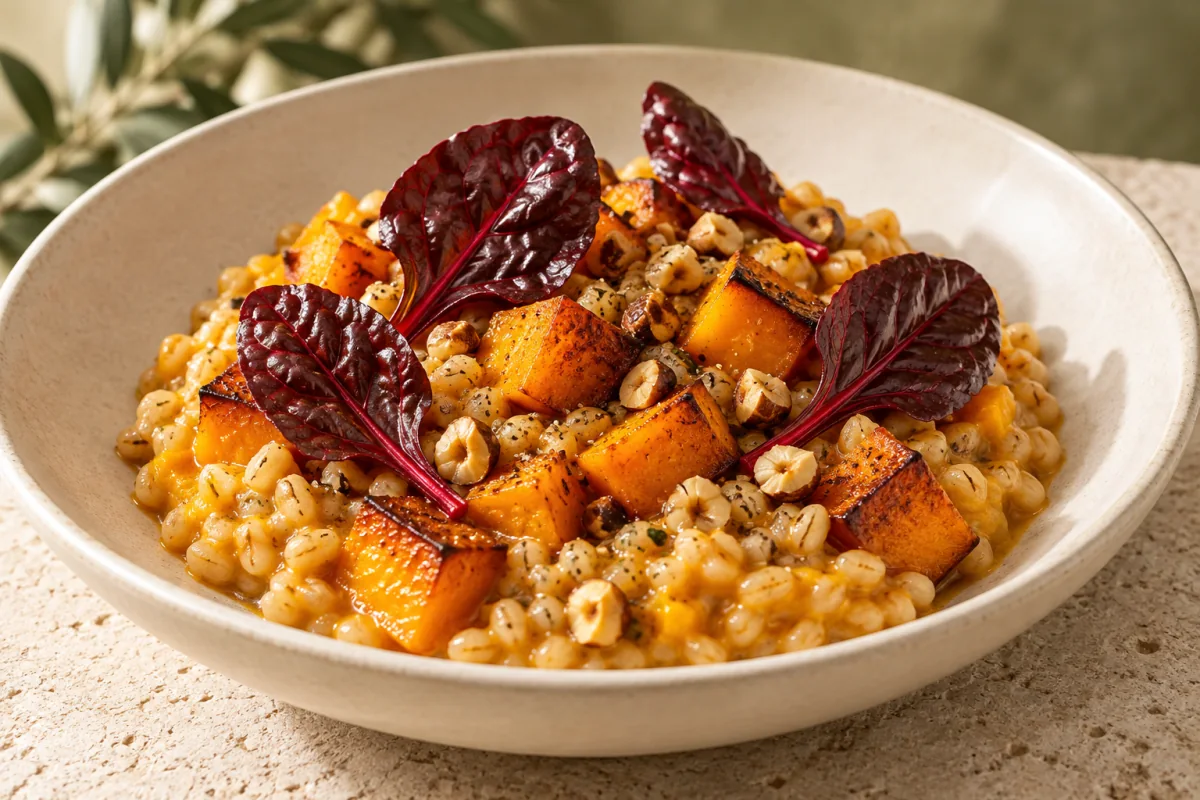
Illustration of creamy barley, squash and Firebird.
Generated illustration of a suggested plating.
Recipe idea20

Creamy barley, squash and Firebird

A grain-and-squash vegetable main with red leaves added after the final enrichment.

What the greens add

Its earthy flavour suits the grain and sweet squash. Fresh leaves contrast with creaminess and deep red stands out against orange.

At the pass

Serve the barley loose and spread out; place a few leaves over the cubes so they remain above the liquid.

Ingredients and preparation

Indicative build for 1 portion; adjust after tasting.

Indicative ingredients

  • 60 g dried pearl barley
  • 100 g squash
  • 20 g shallot and 250–350 ml vegetable stock, according to absorption
  • 10 g butter and 10 g grated aged cheese
  • 5 g toasted hazelnuts and 5 g Firebird baby leaves
  • Olive oil and salt

Suggested preparation

  1. Roast the squash; blend some with stock and reserve cubes for the finish.
  2. Sweat shallot, add barley and cook with stock until tender; incorporate squash purée and cubes.
  3. Enrich off the heat, plate and add hazelnuts and raw Firebird at the pass.

Another possibility

Swap barley for risotto rice, adjusting stock and cooking; keep Firebird as a raw finish.

References behind the idea

An original MicroVerdes composition inspired by these references. This does not imply their authors used our crop.

Potato and leek cream with Barby chard. Suggested plating with Barby chard.
Generated illustration of a suggested plating.
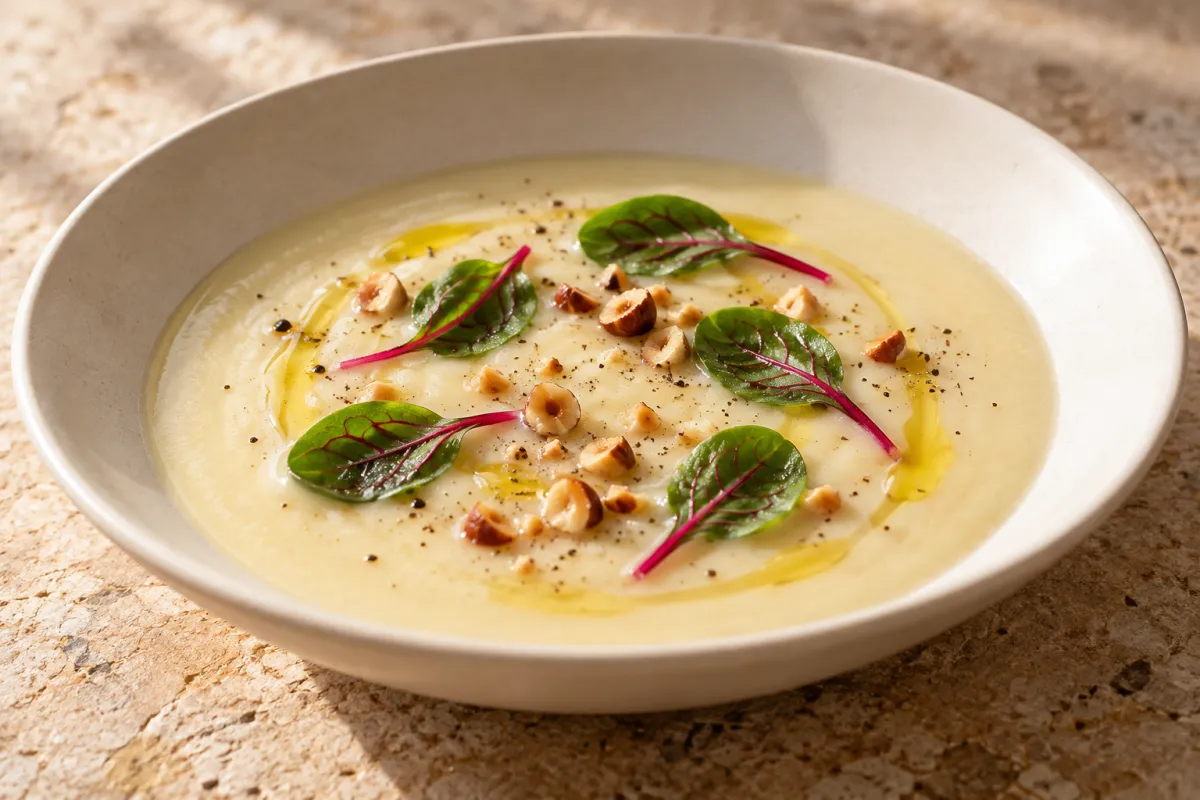
Recipe idea21

Potato and leek cream with Barby chard

A silky leek and potato cream highlights Barby’s green leaves and pink veins.

What the greens add

Its mild, earthy profile continues the vegetable flavour without adding heat. Green leaves with pink veins provide a legible contrast against the pale cream.

At the pass

Group the leaves at one side of the bowl, using short, tender stems. A spoonful should pick up leaf, cream and hazelnut together.

Ingredients and preparation

Indicative build for 1 portion; adjust after tasting.

Indicative ingredients

  • 80 g peeled potato
  • 60 g cleaned leek and 15 g onion
  • 160 ml vegetable stock, adjusted for consistency
  • 15 ml cream and 5 g butter
  • 8 g Barby chard baby leaf
  • 5 g chopped toasted hazelnuts
  • Olive oil, lemon, salt and white pepper to taste

Suggested preparation

  1. Sweat the onion and leek in butter; add potato and stock and cook until the potato is tender.
  2. Blend with the cream, pass through a fine sieve and adjust the consistency and lemon seasoning.
  3. Plate the cream, add the Barby leaves last and distribute the hazelnuts. Leave some pink veining visible above the surface.

Another possibility

Use cauliflower in place of potato to change the base; keep Barby as the finish and rebalance the seasoning.

References behind the idea

An original MicroVerdes composition inspired by these references. This does not imply their authors used our crop.

Illustration of roasted beetroot, goat's cheese and Barby.
Generated illustration of a suggested plating.
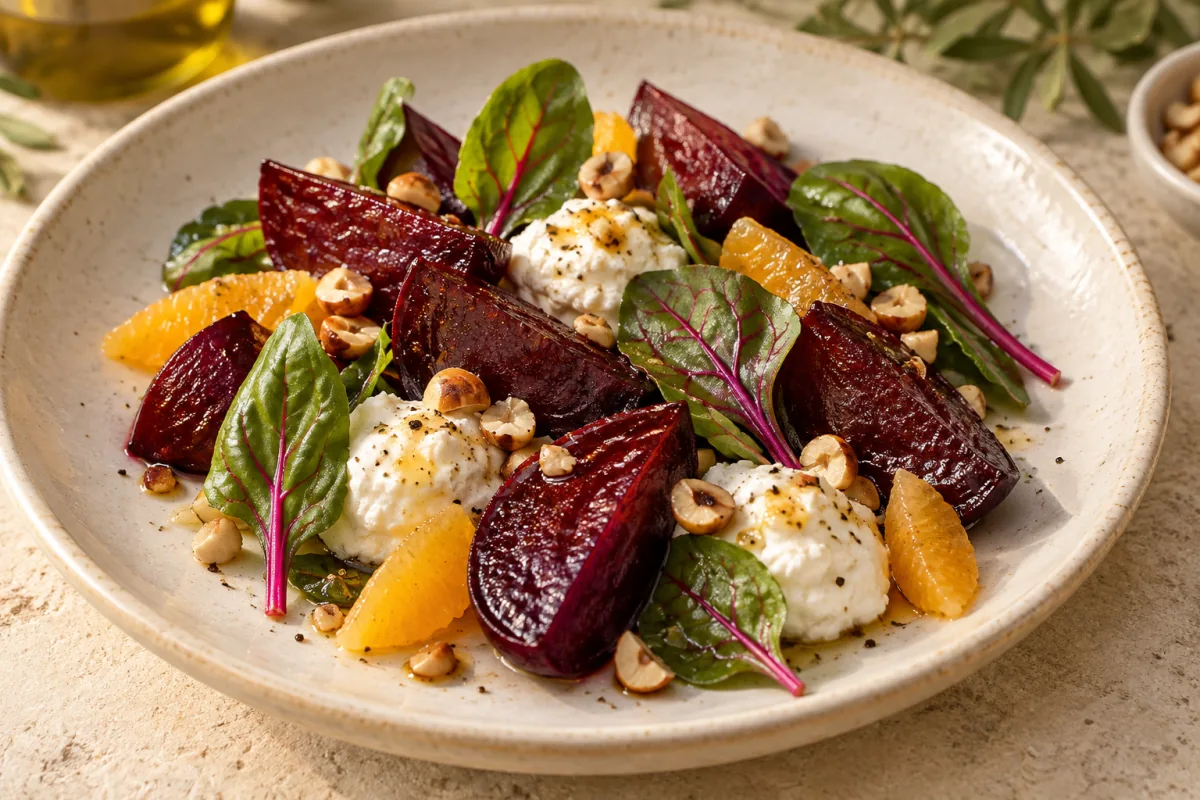
Recipe idea22

Roasted beetroot, goat's cheese and Barby

Roast beetroot and tender chard with goat’s cheese, orange and hazelnuts.

What the greens add

Barby reinforces the plate's earthy direction and introduces tender leaf texture against the cooked beetroot. Its pink veins connect the ingredients visually.

At the pass

Place some leaves vein-side up and distribute them so each bite includes cheese or beetroot; keep the leaves integrated with the food.

Ingredients and preparation

Indicative build for 1 portion; adjust after tasting.

Indicative ingredients

  • 90 g peeled roasted beetroot
  • 35 g fresh goat's cheese and 10 g plain yoghurt
  • 12 g Barby chard baby leaf
  • 15 g membrane-free orange segments
  • 5 g toasted hazelnuts
  • 5 ml olive oil and sherry vinegar to taste
  • Salt and black pepper to taste

Suggested preparation

  1. Cut the beetroot into bite-size pieces and dress with oil, a few drops of vinegar and salt.
  2. Work the cheese with the yoghurt into a cream and plate beside the beetroot and orange.
  3. Dress Barby gently at the pass, place the leaves between the other components and finish with hazelnuts.

Another possibility

Use golden beetroot for stronger contrast with the pink veins; replace orange with a lemon vinaigrette.

References behind the idea

An original MicroVerdes composition inspired by these references. This does not imply their authors used our crop.

Hake, celeriac cream and Garnet Red. Suggested plating with Garnet Red amaranth.
Generated illustration of a suggested plating.
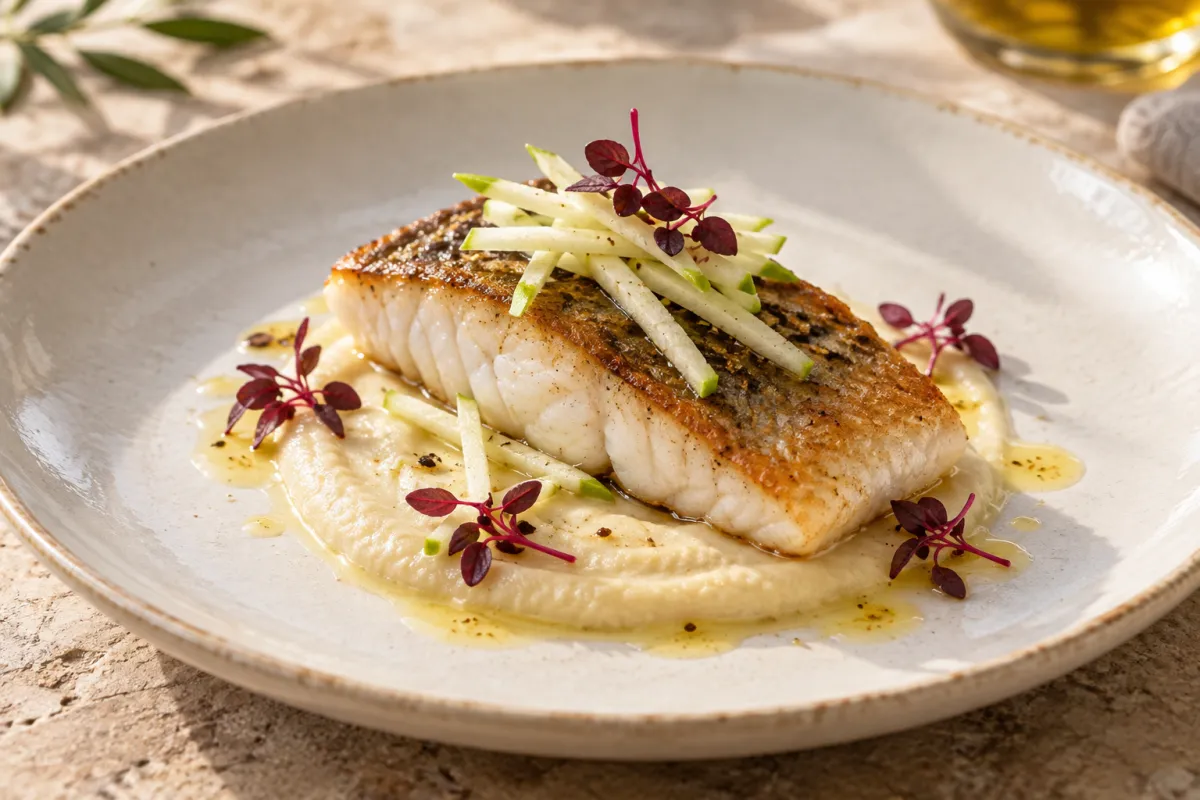
Recipe idea23

Hake, celeriac cream and Garnet Red

Golden hake, pale purée and green apple with a precise red-amaranth microgreen accent.

What the greens add

Intense red stands out against pale fish and purée. Its delicate earthy note accompanies the celeriac; apple supplies the composition's acidic contrast.

At the pass

Make two small groups of microgreens touching the purée without covering the skin. Adjust the number of tips after tasting a complete bite.

Ingredients and preparation

Indicative build for 1 portion; adjust after tasting.

Indicative ingredients

  • 150 g skin-on hake loin
  • 80 g peeled celeriac
  • 25 ml milk and vegetable stock as needed
  • 10 g butter
  • 15 g green apple in fine matchsticks
  • 1.5 g Garnet Red amaranth microgreens
  • Olive oil, lemon and salt to taste

Suggested preparation

  1. Cook the celeriac with milk and a little stock until tender; blend with some of the butter and adjust with lemon.
  2. Sear the hake skin-side down and finish cooking until the fish is fully cooked. Prepare the apple matchsticks.
  3. Plate the purée and hake, add the apple and place Garnet Red last, close to the area picked up with the fish.

Another possibility

Use fresh cod or replace celeriac with cauliflower; the microgreen keeps the same visual role, while the lemon balance needs adjusting.

References behind the idea

An original MicroVerdes composition inspired by these references. This does not imply their authors used our crop.

Illustration of roasted pear, white chocolate and Garnet Red.
Generated illustration of a suggested plating.
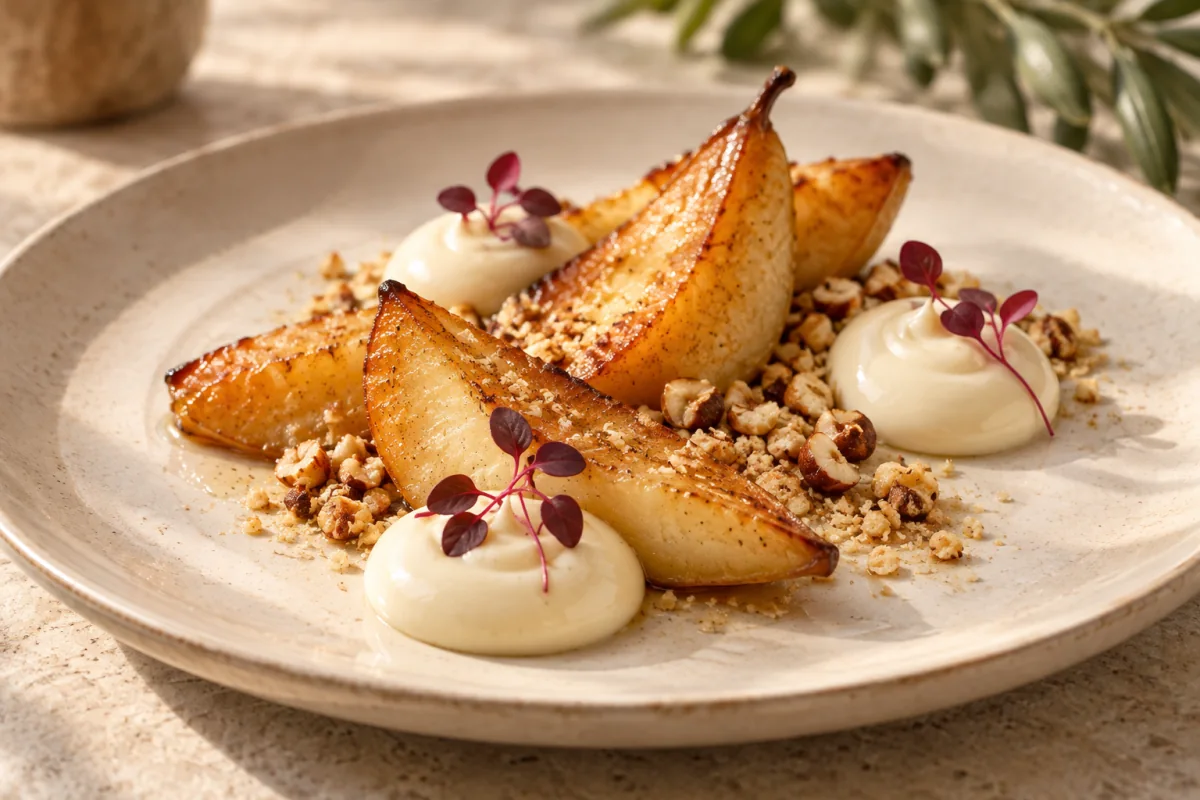
Recipe idea24

Roasted pear, white chocolate and Garnet Red

Roast pear and white-chocolate cream with hazelnuts and a few amaranth tips.

What the greens add

Intense red supplies a contrast against pale pear and cream. Its mild earthy profile suggests a link with hazelnuts; taste the proportion against the dessert's sweetness.

At the pass

Place the tips in a single bite with pear and cream. Keep the fruit's golden surface visible and treat the microgreen as a precise accent.

Ingredients and preparation

Indicative build for 1 portion; adjust after tasting.

Indicative ingredients

  • 90 g peeled, cored pear
  • 20 g white chocolate
  • 30 ml cream
  • 5 g butter
  • 8 g chopped toasted hazelnuts
  • 1 g Garnet Red amaranth microgreens
  • Lemon, vanilla and a pinch of salt to taste

Suggested preparation

  1. Roast the pear with butter and vanilla until tender and lightly golden; balance its sweetness with a few drops of lemon.
  2. Pour hot cream over the chocolate, emulsify and allow the cream to reach a suitable plating consistency.
  3. Arrange pear, cream and hazelnuts. Add a few Garnet Red tips last, when they can retain their shape.

Another possibility

Try roasted apple or a yoghurt cream instead of chocolate; review the amaranth's intensity against the new acidity.

References behind the idea

An original MicroVerdes composition inspired by these references. This does not imply their authors used our crop.

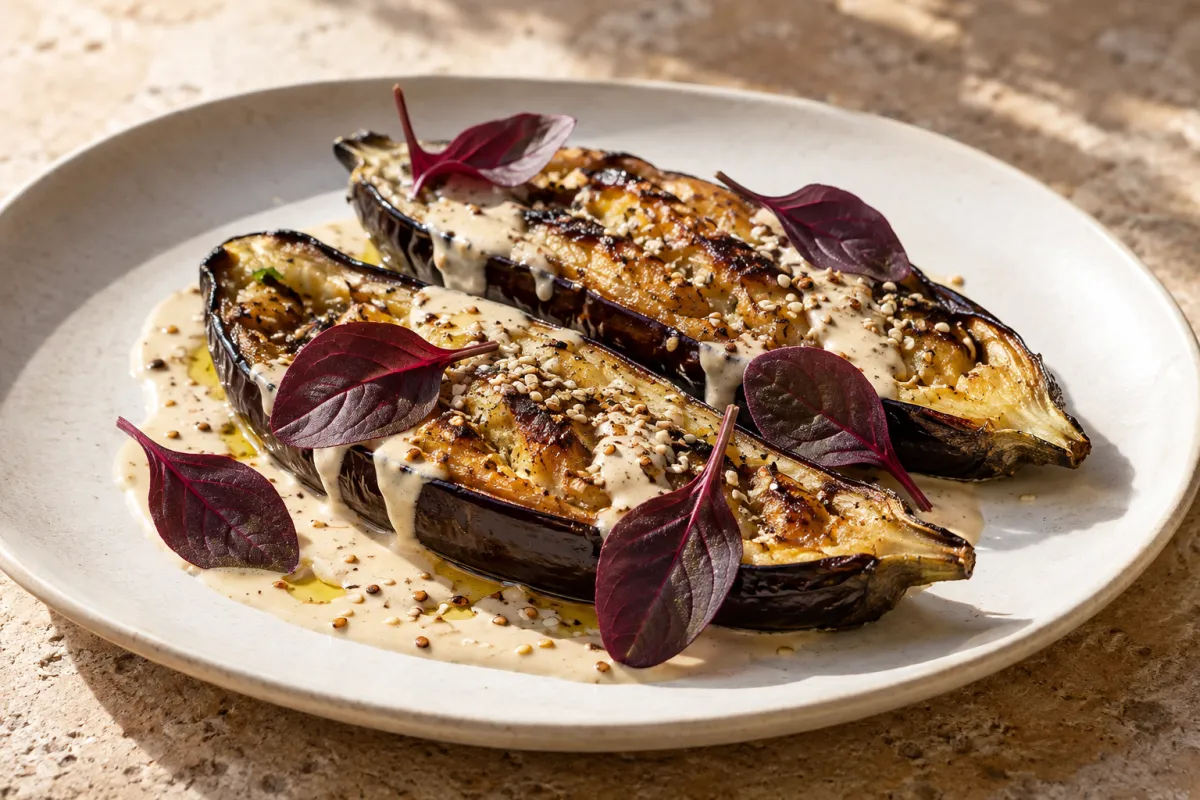
Roasted aubergine, tahini and red amaranth. Suggested plating with Red amaranth baby leaf.
Generated illustration of a suggested plating.
Recipe idea25

Roasted aubergine, tahini and red amaranth

Charred aubergine and sesame cream with developed red-amaranth baby leaves.

What the greens add

The red leaf introduces tender texture distinct from the aubergine and a mild vegetable note. Its size spreads colour and flavour across several bites.

At the pass

Rest whole tender leaves between the aubergine pieces and over the cream. Trim stems so leaf and vegetable can be picked up in the same bite.

Ingredients and preparation

Indicative build for 1 portion; adjust after tasting.

Indicative ingredients

  • 150 g aubergine
  • 15 g tahini
  • 15 g plain yoghurt or unsweetened plant yoghurt
  • 8 g red amaranth baby leaf
  • 5 g toasted sesame
  • 8 ml olive oil
  • Lemon, garlic and salt to taste

Suggested preparation

  1. Roast the aubergine with oil and salt until its flesh is soft and the surface coloured; cut into manageable bite-size pieces.
  2. Mix tahini, yoghurt, lemon and a small amount of garlic; loosen with water if needed.
  3. Plate cream and aubergine; once intense heat has subsided, add the whole baby leaves and finish with sesame.

Another possibility

Replace aubergine with roasted squash; retain lemon in the dressing to balance the new vegetable's sweetness.

References behind the idea

An original MicroVerdes composition inspired by these references. This does not imply their authors used our crop.

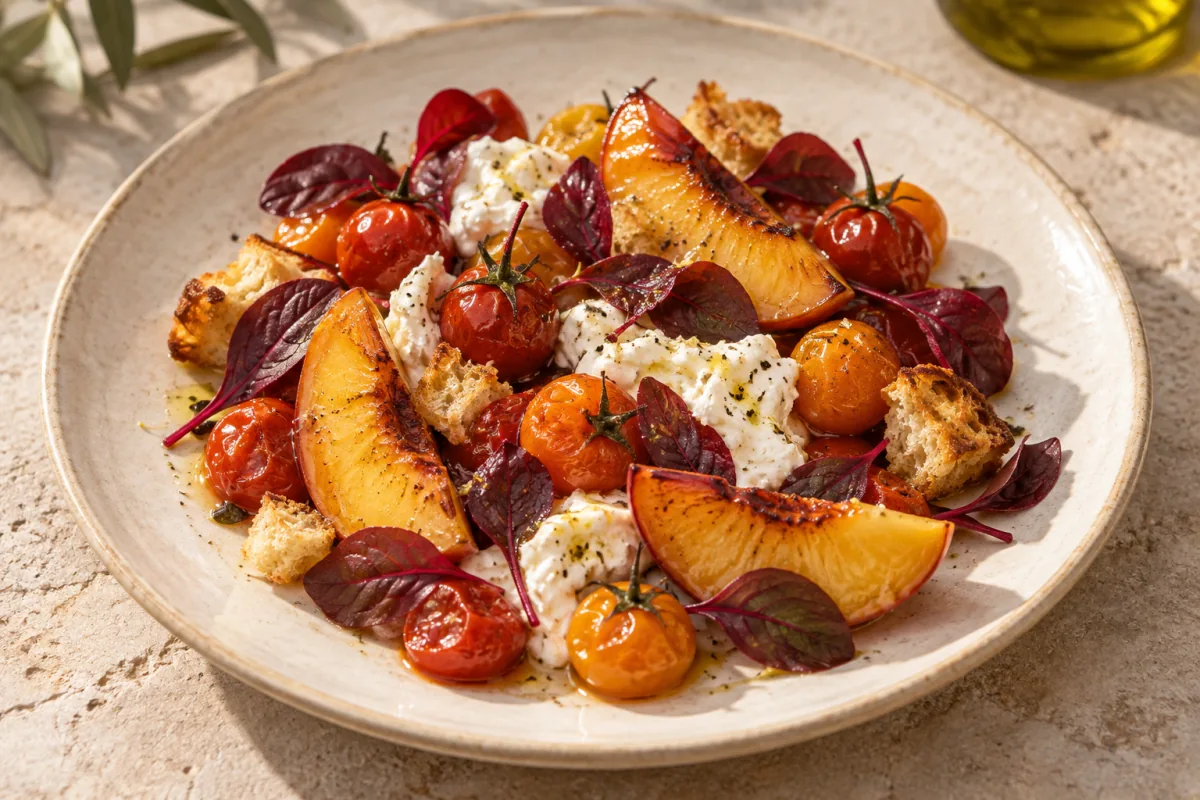
Illustration of tomato, peach and stracciatella with red amaranth.
Generated illustration of a suggested plating.
Recipe idea26

Tomato, peach and stracciatella with red amaranth

A tomato, griddled-fruit and creamy-cheese salad with red leaves distributed throughout.

What the greens add

Amaranth supplies a mild earthy note against sweet fruit and cheese. Developed leaves give a true salad presence and visually separate the pale and warm-coloured components.

At the pass

Alternate red leaves with fruit and cheese across the plate. Match leaf size to a comfortable forkful.

Ingredients and preparation

Indicative build for 1 portion; adjust after tasting.

Indicative ingredients

  • 60 g roasted or confit cherry tomatoes
  • 60 g stoned peach in wedges
  • 45 g stracciatella cheese
  • 12 g red amaranth baby leaf
  • 15 g toasted bread in small pieces
  • 8 ml olive oil and lemon to taste
  • Salt and black pepper to taste

Suggested preparation

  1. Griddle the peach wedges with a little oil, retaining their shape; prepare the tomatoes and toasted bread.
  2. Dress the tomatoes and peach with lemon, oil and salt and place stracciatella between them.
  3. Add whole, lightly dressed red leaves at the pass. Distribute toasted bread without concealing the leaves.

Another possibility

Use nectarine or fresh seasonal tomatoes; review the lemon according to the fruit's sweetness and acidity.

References behind the idea

An original MicroVerdes composition inspired by these references. This does not imply their authors used our crop.

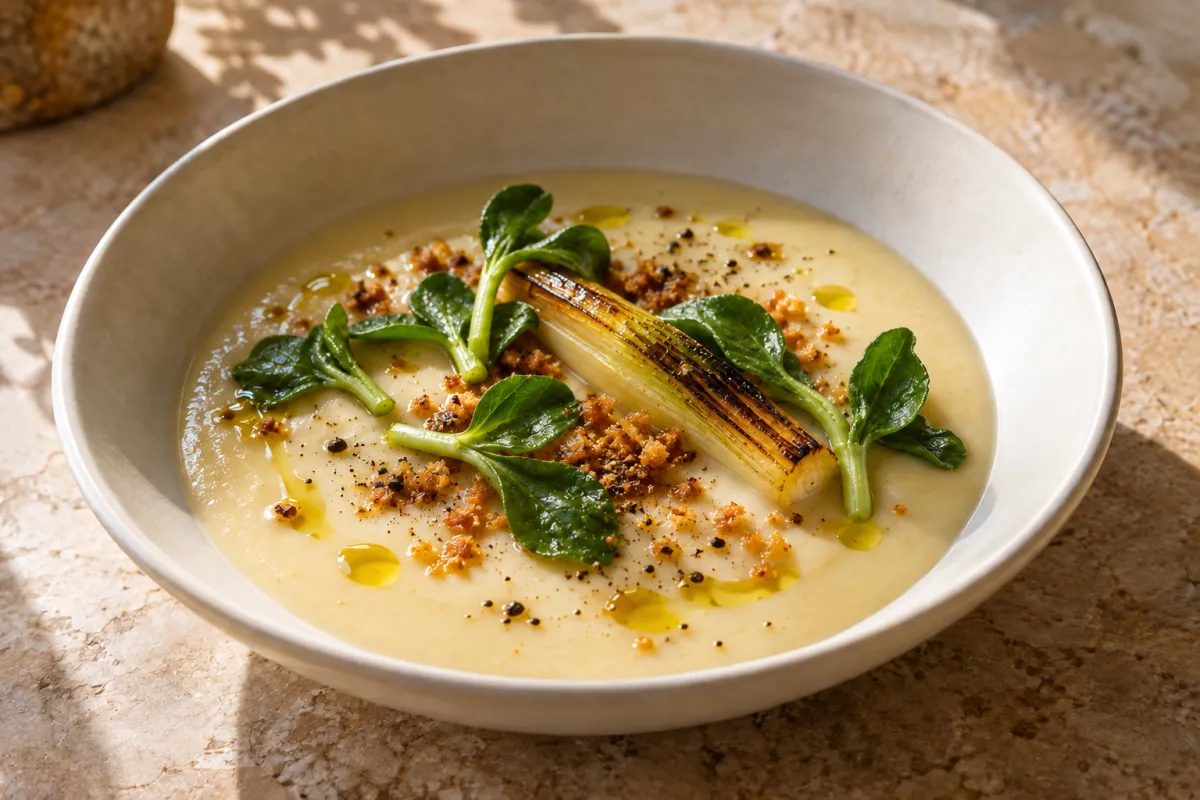
Roasted leek, potato cream and Albina fava shoots. Suggested plating with Albina baby fava shoots.
Generated illustration of a suggested plating.
Recipe idea27

Roasted leek, potato cream and Albina fava shoots

Roasted leek on potato cream, finished with fava shoots briefly sautéed in lemon butter.

What the greens add

Substantial stems contrast with soft potato and leek. Fava's creamy, earthy profile works with alliums; lemon balances the composition.

At the pass

Use tender tips with short stems and position leaf and stem to be picked up with the leek. Retain the fava identity and notice when serving or mixing leaves.

Contains fava bean. People with G6PD deficiency should avoid fava.

Ingredients and preparation

Indicative build for 1 portion; adjust after tasting.

Indicative ingredients

  • 100 g cleaned white leek
  • 80 g peeled potato
  • 20 ml milk and vegetable stock as needed
  • 10 g butter
  • 10 g Albina baby fava shoots
  • 5 ml olive oil
  • 5 g toasted bread crumbs
  • Lemon, salt and pepper to taste

Suggested preparation

  1. Roast the leek with oil until tender and colour its surface for a golden edge.
  2. Rice the cooked potato or pass it through a food mill, then fold in warm milk and some butter. Adjust the texture to support the leek.
  3. Briefly sauté tender shoots with the remaining butter and a few drops of lemon; add them last beside the leek on the cream. Finish with toasted bread crumbs.

Another possibility

Replace leek with roasted spring onion; try cauliflower cream as an alternative service base.

References behind the idea

An original MicroVerdes composition inspired by these references. This does not imply their authors used our crop.

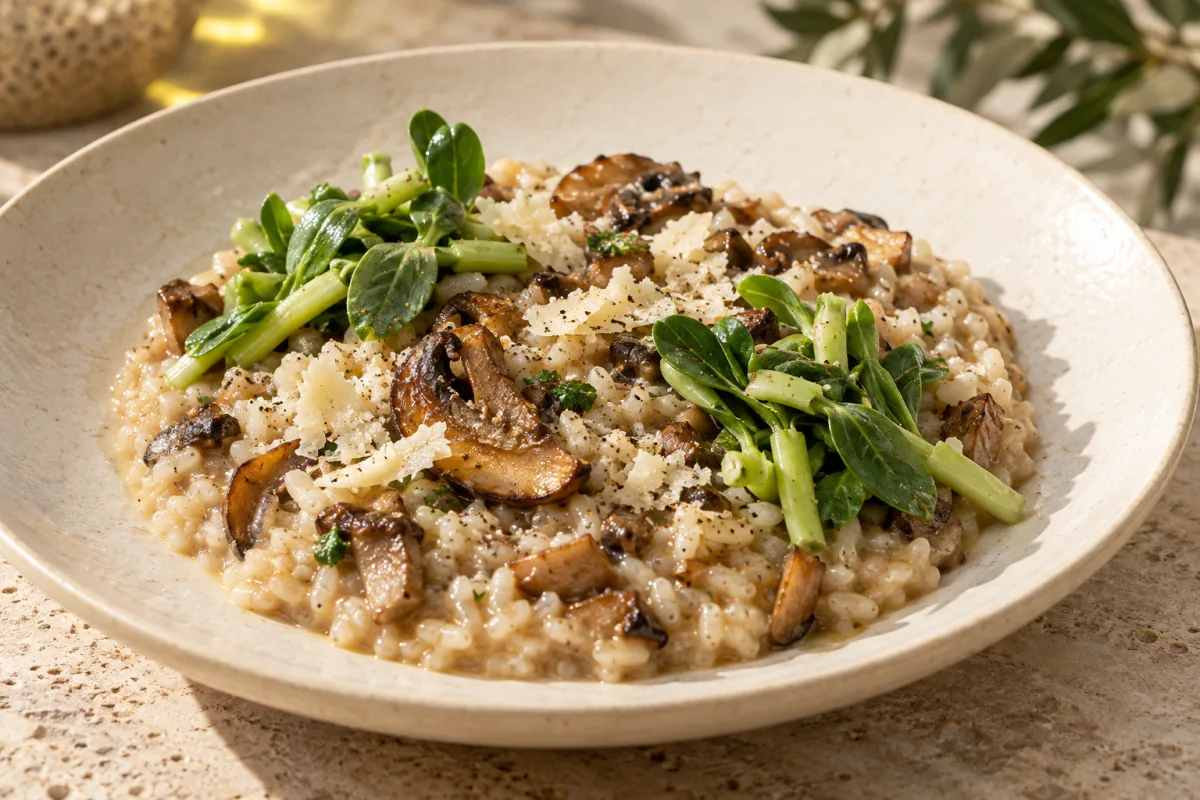
Illustration of mushroom risotto with Albina fava shoots.
Generated illustration of a suggested plating.
Recipe idea28

Mushroom risotto with Albina fava shoots

Creamy rice with browned mushrooms and baby fava shoots sautéed for the finish.

What the greens add

Fava's earthy profile follows the mushrooms' flavour direction; firm stems contrast with creamy rice. Green leaves introduce edible volume in a measured portion.

At the pass

Spread risotto across a wide plate and distribute shoots in two places, using short stems. Keep the fava notice associated with the dish.

Contains fava bean. People with G6PD deficiency should avoid fava.

Ingredients and preparation

Indicative build for 1 portion; adjust after tasting.

Indicative ingredients

  • 60 g risotto rice
  • 70 g cleaned mushrooms and 15 g shallot
  • 250 ml hot vegetable stock, plus more if needed
  • 15 ml white wine
  • 10 g butter and 12 g grated aged cheese
  • 10 g Albina baby fava shoots
  • Olive oil, lemon, salt and pepper to taste

Suggested preparation

  1. Brown the mushrooms; reserve a few pieces for plating and soften the shallot. Add rice, toast lightly and reduce the wine.
  2. Add stock in stages to the desired doneness. Remove from heat and finish with some of the butter and the cheese.
  3. Briefly sauté tender shoots with the remaining butter. Add them to the plated risotto with the reserved mushrooms and a touch of lemon.

Another possibility

Replace mushrooms with sautéed artichoke; rebalance lemon and choose stock that allows the shoots' flavour to remain apparent.

References behind the idea

An original MicroVerdes composition inspired by these references. This does not imply their authors used our crop.

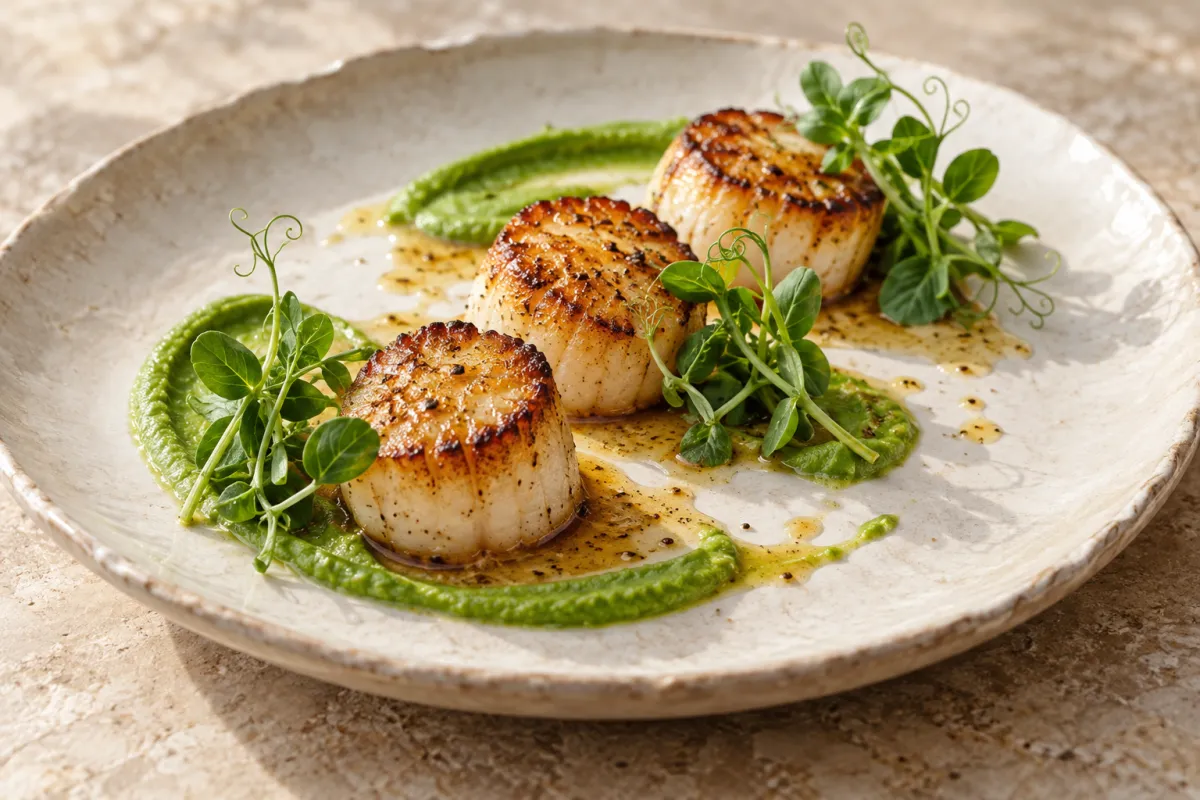
Scallops, pea purée and Alderman shoots. Suggested plating with Alderman pea shoots.
Generated illustration of a suggested plating.
Recipe idea29

Scallops, pea purée and Alderman shoots

Seared scallops and pea purée with fresh shoots for sweetness and a crisp bite.

What the greens add

Sweet pea flavour continues the purée's flavour and accompanies the scallop. Crisp stems and light tendrils add another texture and green volume.

At the pass

Keep the scallop's golden face visible and place shoots beside it, touching the purée. Trim long stems so the cluster can be picked up in one bite.

Ingredients and preparation

Indicative build for 1 portion; adjust after tasting.

Indicative ingredients

  • 3 cleaned scallops
  • 70 g shelled peas
  • 10 g shallot
  • 20 ml vegetable stock, adjusted for the purée
  • 10 g butter
  • 8 g Alderman pea shoots
  • Olive oil, lemon, salt and pepper to taste

Suggested preparation

  1. Sweat the shallot, cook the peas with a little stock and blend into a smooth purée.
  2. Brown the scallops on both sides and finish cooking through; add butter and a few drops of lemon to baste.
  3. Plate a small amount of purée with the scallops and add Alderman shoots last, in loose groups accompanying each bite.

Another possibility

Use seared white fish with the same purée and finish; adjust the shoot portion to the size of the fillet.

References behind the idea

An original MicroVerdes composition inspired by these references. This does not imply their authors used our crop.

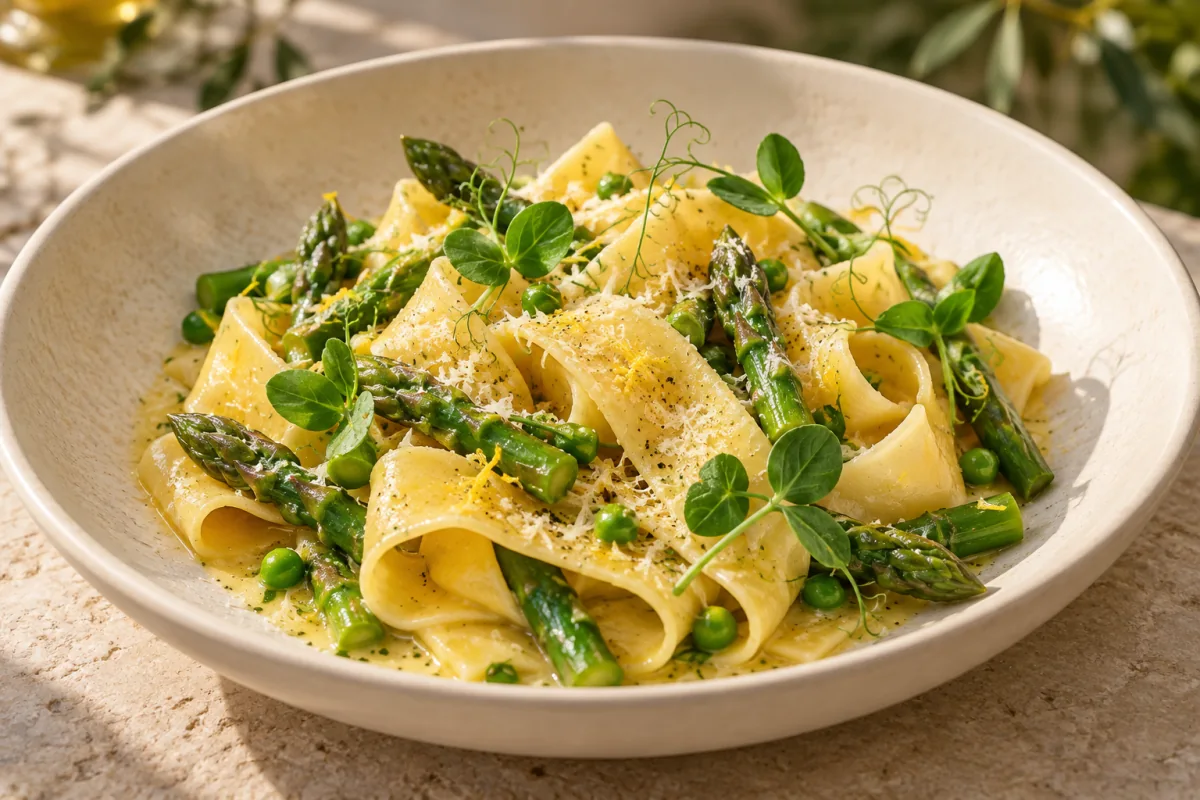
Illustration of lemon pappardelle, asparagus and Alderman shoots.
Generated illustration of a suggested plating.
Recipe idea30

Lemon pappardelle, asparagus and Alderman shoots

Pasta and green vegetables in a lemon emulsion, with pea shoots added at the pass.

What the greens add

The shoots' fresh pea flavour links with the vegetables; their crisp bite contrasts with pasta and sauce. Tendrils provide light height with an edible purpose.

At the pass

Trim stems and distribute shoots through several pasta turns so a fork picks them up with sauce.

Ingredients and preparation

Indicative build for 1 portion; adjust after tasting.

Indicative ingredients

  • 70 g dried pappardelle
  • 60 g trimmed asparagus
  • 30 g shelled peas
  • 12 g Alderman pea shoots
  • 10 g grated aged cheese
  • 8 g butter or 8 ml olive oil
  • Pasta cooking water, lemon zest and juice, salt and pepper to taste

Suggested preparation

  1. Cook pasta al dente and reserve cooking water; briefly cook peas and cut asparagus.
  2. Emulsify butter or oil with cooking water, lemon and cheese. Combine pasta and vegetables, adjusting the sauce to coat the ribbons.
  3. Plate and distribute Alderman shoots last. Mix some through the ribbons and leave a few tips visible without tangling the stems.

Another possibility

Replace asparagus with sautéed courgette. Keep the sauce light and rebalance lemon so the pea flavour remains apparent.

References behind the idea

An original MicroVerdes composition inspired by these references. This does not imply their authors used our crop.

Your selection

Total per delivery0,00 €

We’ll confirm your preferred date after you request an order. Payment is after delivery.

Thank you.

We have your tray request and will contact you to confirm the first delivery. You’ll pay after delivery.

Order reference

Were you looking for something else?